Saint-Rémy-de-Provence from Avignon: Van Gogh, Glanum and the Alpilles
Just 20 minutes from Avignon, Saint-Rémy-de-Provence packs in a rare Roman site, the monastery where Van Gogh painted The Starry Night, the birthplace of Nostradamus, and one of the finest markets in Provence. Here's how we send our guests for a half day — or a full day — without missing a thing.
We all carry a mental image of Provence: silvery olive trees, a bell tower, black cypresses shivering in the mistral. That image, to a large extent, was painted by Van Gogh — and he painted it right here, in Saint-Rémy-de-Provence. It’s one of the day trips we recommend most readily to our guests, because in a single half day it distils almost everything we love about this region.
Saint-Rémy is only 20 km from Avignon, a 25 to 30-minute drive. And yet the atmosphere is completely different: smaller, more chic, leaning against the Alpilles rather than against city ramparts.
Getting there from Avignon
Let’s be honest right away: you’ll need a car. The D571 runs through Rognonas and Châteaurenard — a pretty road lined with plane trees and orchards. There’s no station in Saint-Rémy, and the buses from Avignon aren’t frequent enough for us to recommend them with a clear conscience. If you don’t have a vehicle, a return taxi is the simplest option — or rent a car for the day, which also opens up Les Baux and the Alpilles valley.
Park on one of the ring-boulevard car parks: the old town is almost entirely pedestrian, so don’t try to drive into it.
Van Gogh and Saint-Paul-de-Mausole
For us, this is where the real visit to Saint-Rémy begins.
In May 1889, Vincent van Gogh left Arles and voluntarily checked into the Saint-Paul-de-Mausole monastery, then a mental-health institution, a kilometre south of the village. He stayed a year. And that year, despite his crises, was one of the most prolific of his life: he painted around 150 canvases, including The Starry Night, the famous cypresses, the olive groves, the irises in the garden.
The monastery can still be visited. The 12th-century Romanesque cloister has a deeply calming beauty, and it’s easy to understand how this place could, in spite of everything, have soothed him a little. You’ll see a reconstruction of his room, a view over the fields he painted from his window, and the site partly remains a care facility — so visit with respect and discretion.
All around, a Van Gogh trail is marked with reproductions placed at the exact spots where he set up his easel. It’s free, walkable, and surprisingly moving: seeing the real landscape next to the canvas is a way of measuring just how much he transformed it.
Our host tip: do Saint-Paul-de-Mausole early in the morning. The light is softer, the trail less crowded, and you can then move on naturally to Glanum, a 5-minute walk away.
Glanum and Les Antiques
A stone’s throw from the monastery, Glanum is a Gallo-Roman archaeological site we find genuinely underrated. The ancient town, excavated over several hectares, unfolds its streets, baths, temples and sacred spring at the foot of the Alpilles. You can easily spend one to one and a half hours there, and the signage tells the layered Greek-then-Roman story well.
Right at the entrance, Les Antiques: a Roman mausoleum and triumphal arch, among the best preserved in Provence, standing at the roadside. Good news — these two monuments can be seen for free: you can stop and photograph them even without entering the paid site.
Glanum’s prices and opening hours vary by season, so check before you go.
The old town and the Wednesday market
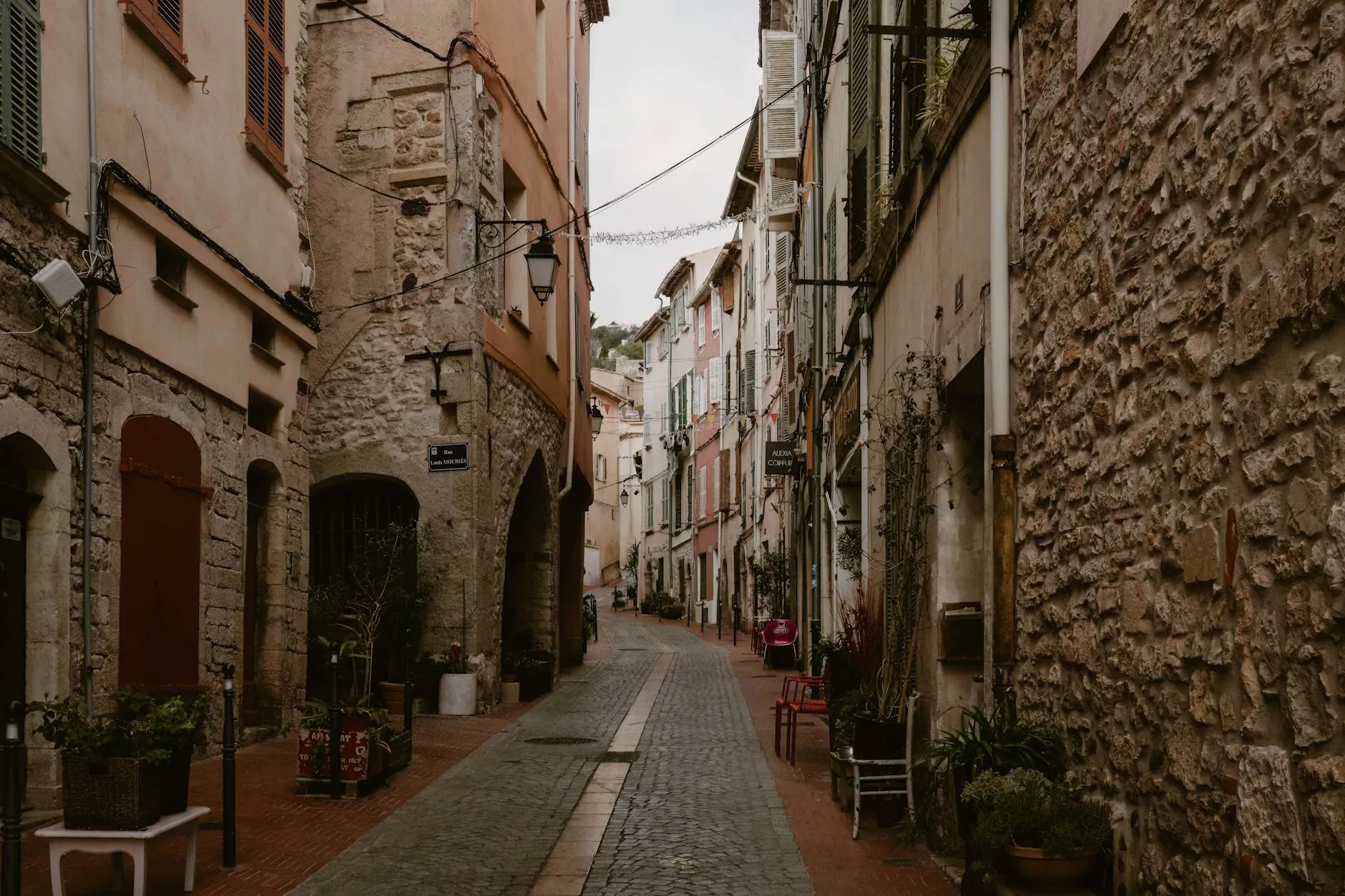
Head back toward the village. Saint-Rémy has a particular elegance: a ring boulevard shaded by plane trees encircles the old town, and inside it lies a maze of narrow streets, fountains, little squares and well-kept shops.
It’s also the birthplace of Nostradamus, born here in 1503. His presumed birthplace stands in the old town — a plaque marks it; don’t expect a grand museum, it’s mostly a pleasant pause on the walk.
And then there’s the Wednesday morning market. That one, without hesitation, we put among the top three markets in Provence. It takes over the whole centre: local produce, AOP olive oil from Les Baux-de-Provence, tapenades, soaps, fabrics, antiques. It’s wonderful — and packed in July and August. Arrive before 9:30 a.m. if you want to wander without elbowing through the crowd.
The rest of the week, the village settles back into calm: café terraces shaded by plane trees, a pastis or a coffee while you watch the locals go by. That, honestly, is our favourite moment here.
A gateway to the Alpilles
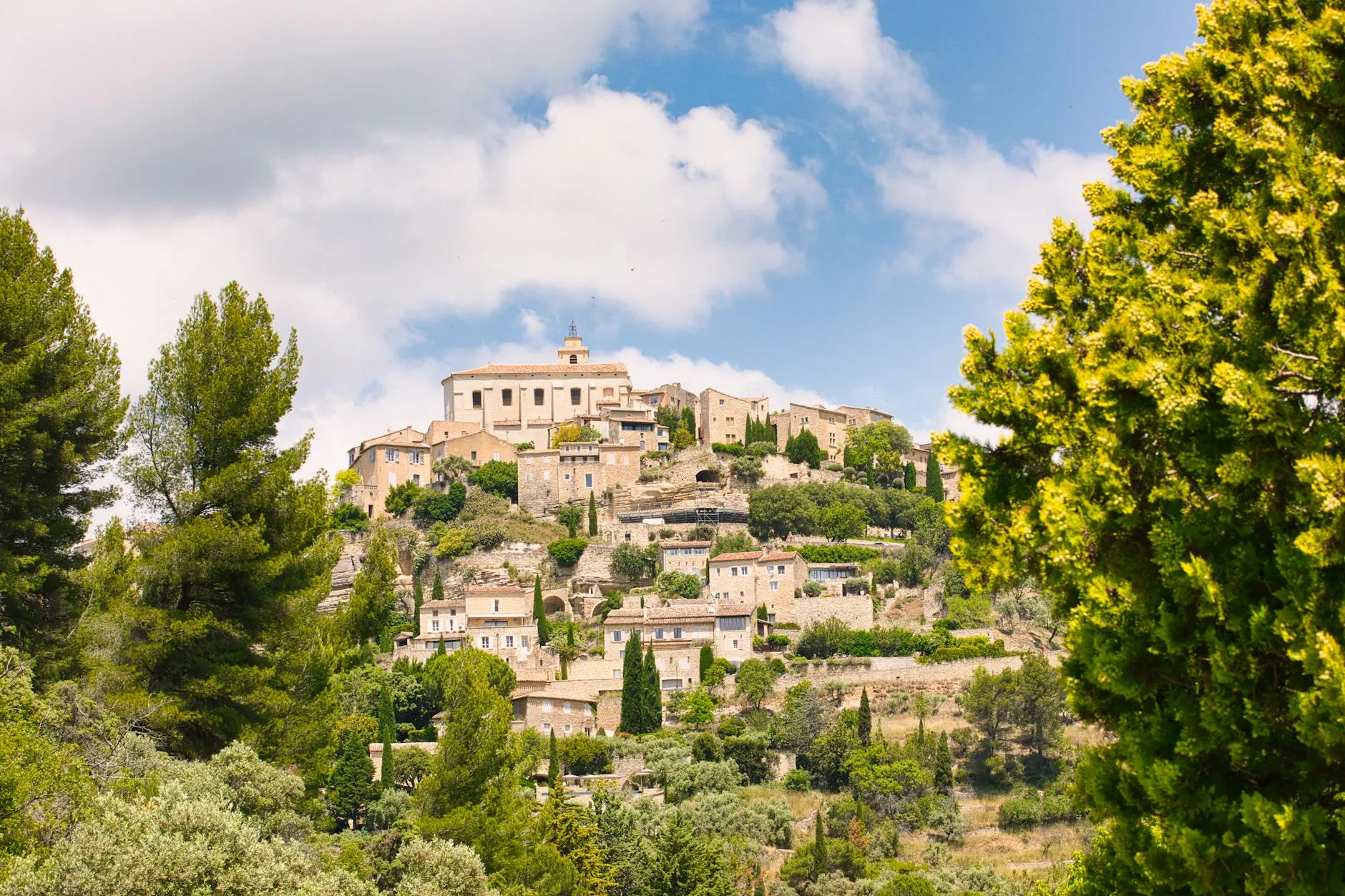
Saint-Rémy backs onto the Alpilles massif — those small, white, dry mountains that give off a scent of thyme the moment you draw near. This is a land of olive trees and exceptional olive oil. Several mills around the village offer tastings and direct sales — an excellent souvenir to take home.
And above all, Les Baux-de-Provence is only about ten minutes away by car. The perched village and its Carrières des Lumières pair perfectly with Saint-Rémy to make a full and varied day.
Half day or full day: our itinerary
For a half day (morning): Saint-Paul-de-Mausole around 9 a.m., then Glanum, then a stroll through the old town, lunch on a terrace, and back to Avignon for the afternoon.
For a full day: add the market if you’re there on a Wednesday, take your time at Glanum, have a leisurely lunch, then head off in the afternoon to Les Baux-de-Provence. You’ll return to Avignon at the end of the day feeling as if you’ve seen all of Provence.
From our apartments
Our three apartments share the same building, at 13B rue du Bon Martinet, in the Teinturiers quarter of Avignon, within the walls. It is our single base: you pick up the car at the nearby car parks and head out to the Alpilles, with Saint-Rémy 25 minutes from the door.
Drop your bags at Bon Martinet, and leave Saint-Rémy, Glanum and the Alpilles just 25 minutes from your door.
About this article
How do you get to Saint-Rémy-de-Provence from Avignon?
By car, it's about 20 km and 25 to 30 minutes via the D571, passing through Rognonas and Châteaurenard. There's no rail link and no genuinely convenient direct bus from central Avignon — we honestly recommend a car, or a return taxi if you'd rather not drive.
Did Van Gogh really paint in Saint-Rémy-de-Provence?
Yes. Vincent van Gogh was a resident at the Saint-Paul-de-Mausole monastery, just south of the village, from May 1889 to May 1890. He painted around 150 canvases there in a single year, including The Starry Night and the olive trees and cypresses of the Alpilles. You can visit a reconstruction of his room and the cloister.
What day is the Saint-Rémy-de-Provence market?
The big Provençal market is held on Wednesday mornings, throughout the old town. It's one of the most famous in Provence — and one of the busiest in summer, so arrive before 9:30 a.m. for a calmer experience. A smaller, quieter market is sometimes held on Saturday (check locally depending on the season).
Is a half day or a full day enough for Saint-Rémy-de-Provence?
A half day is enough for the old town plus one site (Glanum or Saint-Paul-de-Mausole). To combine both sites, the market and a terrace lunch, plan a full day. And Saint-Rémy pairs beautifully with Les Baux-de-Provence, just 10 minutes away.
Is Glanum worth visiting in Saint-Rémy-de-Provence?
If you enjoy archaeology, absolutely. Glanum is a Gallo-Roman site excavated over several hectares — streets, baths, temples, springs. Right at the entrance, Les Antiques (the mausoleum and triumphal arch) can be seen for free from the road. Allow 1 to 1.5 hours for the full site.