Les Baux-de-Provence from Avignon: perched village, castle and Carrières de Lumières
Les Baux-de-Provence is a medieval village clinging to a rocky spur in the Alpilles, a ruined clifftop fortress with 360° views, and the Carrières de Lumières — an immersive art show inside old bauxite quarries. Only 30 km from Avignon, but with a timing window worth respecting.
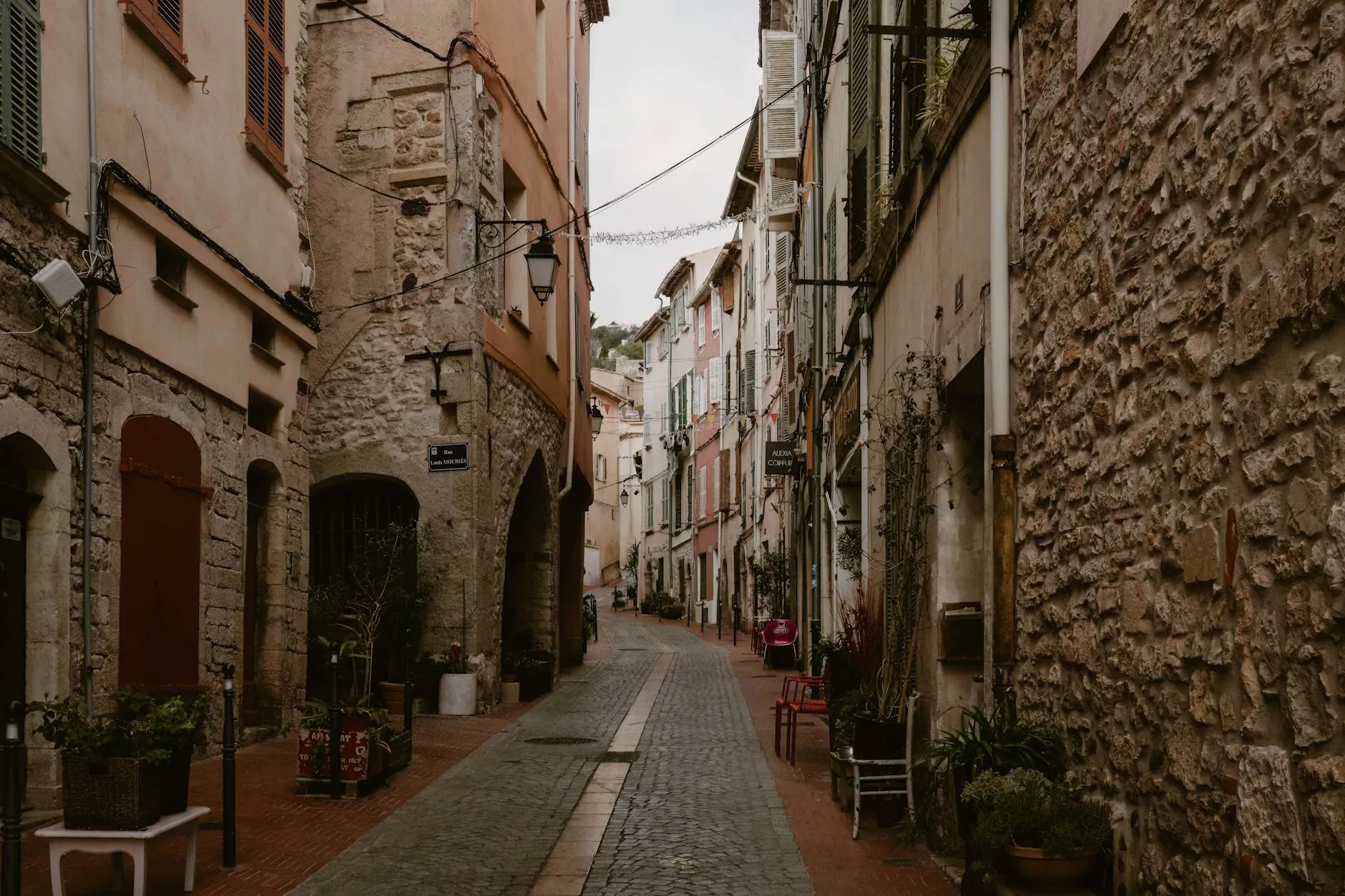
We used to think Les Baux was the “postcard village” you tick off out of duty. Then one February morning we parked at 9am in an almost-empty lot and walked up the main street in silence, with low light raking across the pale stone. That’s when we understood why this rock in the Alpilles draws a million and a half visitors a year.
Here’s how we tell our guests to visit it — skipping the crowds, and knowing exactly what to look at.
A village suspended in the Alpilles
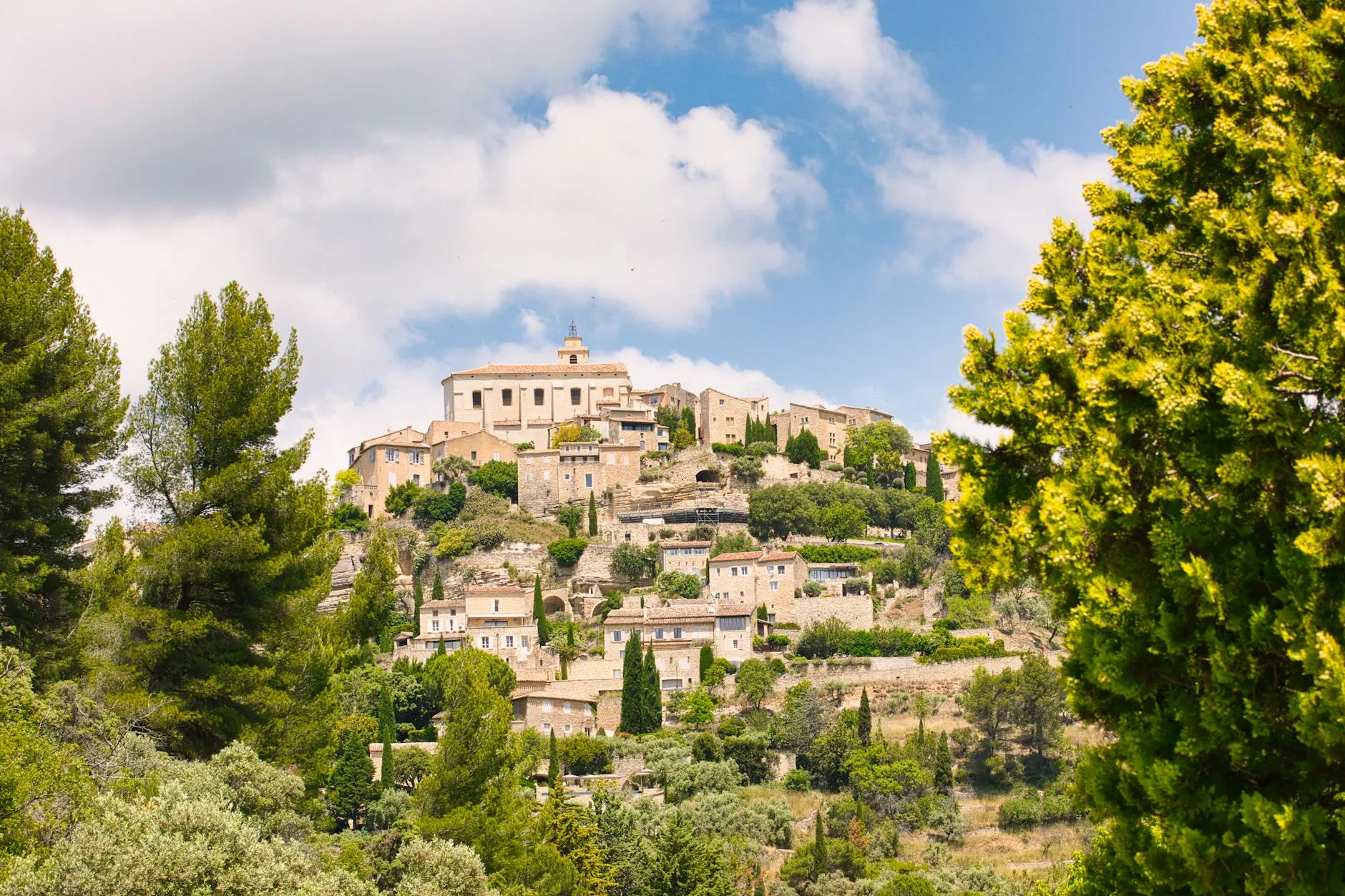
Les Baux-de-Provence sits on a rocky plateau 900 metres long, in the heart of the Alpilles — the small limestone mountains between Avignon and Arles. The village is classified among Les Plus Beaux Villages de France (France’s most beautiful villages), and for once the label is well earned.
The village is entirely pedestrian. You climb a single street that winds between 15th- and 16th-century stone houses, galleries, and shops selling soap and tapenade. At every gap between two façades, the Alpilles landscape opens up — olive groves, vineyards, white cliffs. It’s small: the “lived-in” village takes 30 to 40 minutes to walk. But the real highlight is higher up.
The Château des Baux: a dismantled fortress
At the top of the plateau, the Château des Baux occupies the entire rocky spur. This isn’t a furnished, reconstructed château — it’s a spectacular ruin, carved straight into the rock, from which the lords of Les Baux ruled a considerable domain in the Middle Ages.
The fortress was dismantled in 1632 on the orders of Cardinal Richelieu, to punish a town judged too rebellious and too powerful. What remains — sheared walls, a gutted keep, open-air rooms, staircases that lead nowhere — can be explored freely across a vast plateau.
Two things are genuinely worth the climb:
- The 360° view. From the heights of the keep you take in the Alpilles, the Crau plain, and on a clear day as far as the Cévennes. It’s one of the finest panoramas in Provence — no exaggeration.
- The siege engines. The site holds full-scale reconstructions of medieval weapons — trebuchet, ballista, couillard. In high season and during holidays, firing demonstrations are staged. The trebuchet hurls real stone projectiles tens of metres. Guests who visit with children talk about it for the rest of their stay.
Wear proper shoes: you’ll be walking on uneven rock, and there are unguarded drops.
The Carrières de Lumières: bauxite turned into a show
A few minutes’ walk below the village lies the site that made Les Baux internationally famous: the Carrières de Lumières.
A bit of history we love: it was here, in 1821, that geologist Pierre Berthier discovered the ore of aluminium. He named it “bauxite”, after the village. The quarries that produced this stone — immense halls with vertical walls cut into the limestone — eventually closed.
Today, these gigantic mineral halls host a monumental immersive art show. Dozens of projectors clothe the walls, floor and ceiling — across 7,000 m² of surface — with animated paintings set to music. The programme changes every year: we’ve seen seasons devoted to Van Gogh, Cézanne, Klimt and Vermeer. You wander freely in the dark, surrounded by images projected onto the raw rock. It’s hard to describe and frankly stunning.
It’s a short visit (the show loops every 35-40 minutes) but an intense one. Book your ticket online in summer and during holidays — slots fill up. And check the year’s programme before you come.
Olive oil and small museums
The Vallée des Baux is a renowned olive-growing terroir: the olive oil of the Vallée des Baux-de-Provence carries an AOP (protected designation of origin). Several mills, around the village and towards Maussane and Mouriès, can be visited and sell directly. If you want to bring home a real taste of Provence, this is it — not a fridge magnet.
In the village, a few small museums round out the visit: the Yves Brayer museum (painting), collections on santons, the history of the lords of Les Baux. Nothing essential, but a pleasant refuge on a mistral day or in fierce heat.
Our host advice
We’ll be honest, because that’s the point of booking with locals.
- Arrive at 9am, not a minute later. The first tour coaches unload their groups around 10am-10:30am. Between 11am and 4pm in summer, the main street is a dense procession and the heat on the rock is brutal — there’s almost no shade.
- Pair it with Saint-Rémy-de-Provence. Saint-Rémy is 10 minutes away, lively, shaded, with real cafés and a Wednesday market. It’s the perfect complement to a morning at Les Baux.
- Don’t have lunch in the village. The restaurants in Les Baux are expensive and poor value. Drive down to eat in Maussane-les-Alpilles: an authentic Provençal village feel, squares shaded by plane trees, good tables.
- Avoid the midday peak in summer. If you can only come in July or August, aim for opening time in the morning, or late afternoon once the groups have left.
A sample day from Avignon
| Time | Stop |
|---|---|
| 8:00 | Leave Avignon by car |
| 8:45 | Arrive and park at Les Baux |
| 9:00 | Village and main street, quiet |
| 9:45 | Château des Baux: ruins, panorama, siege engines |
| 11:15 | Carrières de Lumières (pre-booked ticket) |
| 12:15 | Drive to Maussane-les-Alpilles |
| 12:45 | Lunch in Maussane |
| 14:30 | Saint-Rémy-de-Provence: town centre, Glanum or shopping |
| 17:30 | Return towards Avignon |
| 18:15 | Back at the apartment |
Getting there from Avignon
Les Baux-de-Provence is about 30 km from Avignon, roughly a 45-minute drive. It’s a simple, pleasant trip, via Saint-Rémy.
Let’s be clear: there’s no practical public transport to Les Baux. No train station, no direct, comfortable bus line from Avignon. Two realistic options: rent a car for the day, or book a guided tour departing from Avignon — most pair Les Baux with Saint-Rémy, which works out nicely.
From our apartments
Our three apartments — Lavande Évasion, Lavande Dorée and Cinéma Provence — are in the same building, at 13B rue du Bon Martinet, inside Avignon’s walls, in the Teinturiers quarter. Les Baux is one of the day trips we recommend most often from this base camp — especially combined with Saint-Rémy.
We’re just minutes from the parking lot we set off from in the morning towards the Alpilles: a car is still essential to reach Les Baux, but the morning departure is hassle-free.
About this article
How do I get to Les Baux-de-Provence from Avignon without a car?
Honestly, it's awkward. There's no direct, practical bus line between Avignon and Les Baux. The best car-free option is a guided day tour — several agencies run them from Avignon, often paired with Saint-Rémy. Otherwise, rent a car: it's a 45-minute drive.
How much time do I need to visit Les Baux-de-Provence?
Allow half a day minimum: about 1.5 hours for the village and castle, 1 hour for the Carrières de Lumières. If you pair it with Saint-Rémy-de-Provence, 10 minutes away, plan a full day. Arrive around 9am to enjoy the village before the tour buses.
Do I need to book the Carrières de Lumières in advance?
It's strongly recommended in summer and during school holidays. Tickets are sold online with a timed slot. Off-season you can often buy on site, but check the opening hours and the current exhibition programme before you set off.
Is the Château des Baux worth visiting with children?
Yes — it's one of the most child-friendly sites in the region. The medieval siege-engine demonstrations — trebuchet, ballista, couillard — are spectacular. One caveat: the site is fully exposed to the sun, on bare rock, with sheer drops. Closed shoes and a hat are essential.
What's the link between Les Baux-de-Provence and bauxite?
Bauxite, the ore of aluminium, was discovered near the village in 1821 and is named after Les Baux-de-Provence. The old bauxite quarries carved into the rock now host the Carrières de Lumières — the mineral first gave the village its name, then became the setting for one of France's most visited immersive shows.