Gordes: visiting the Luberon's perched village from Avignon
Gordes is the village on every Luberon postcard: stacked on its cliff, glowing gold in the late-day sun. We explain when to come, where to park, and how to pair it with Sénanque and Roussillon for a perfect day out.
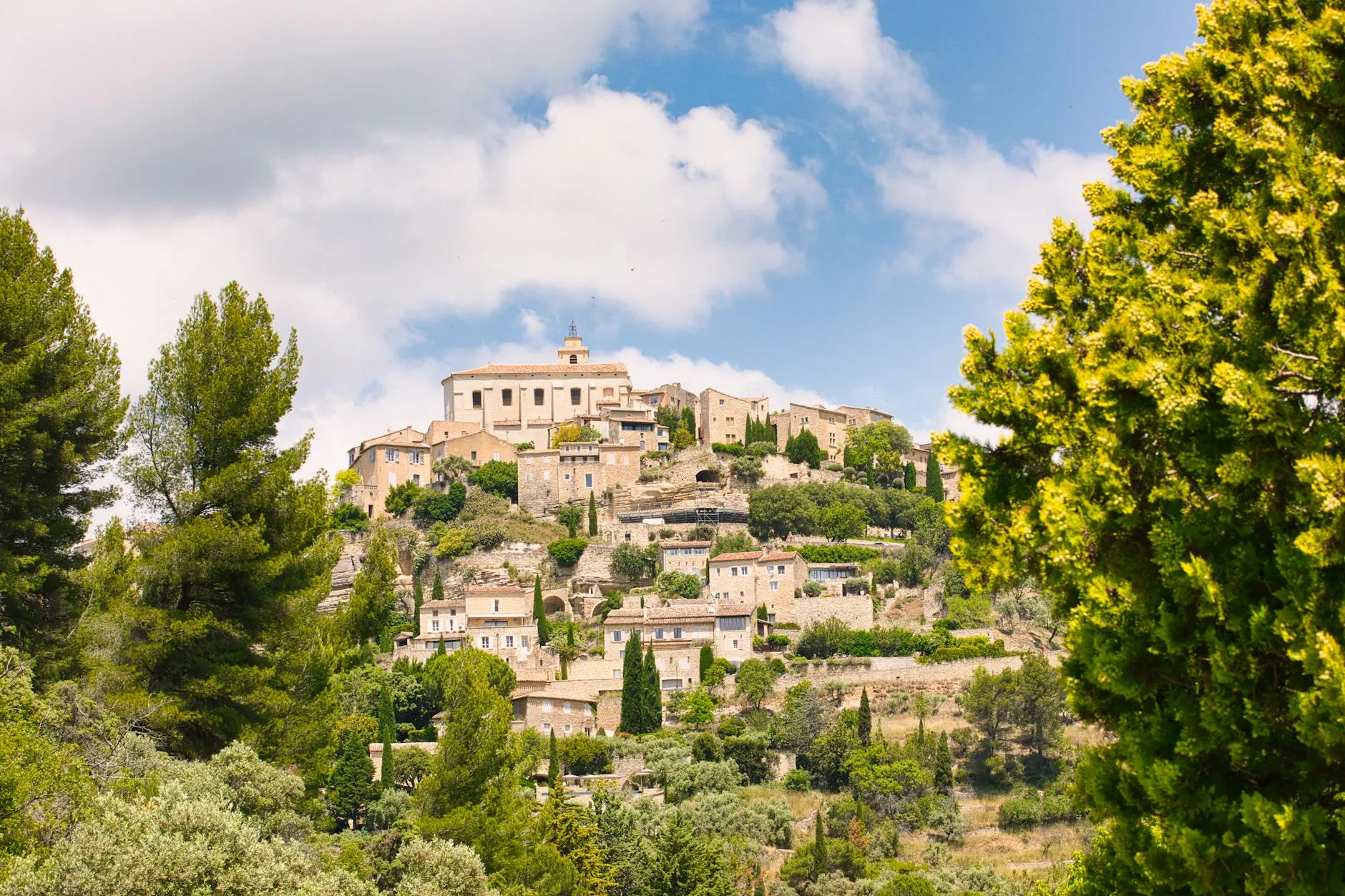
You drive out from Avignon, the road climbs gently between the vineyards and holm oaks of the Luberon, you take a bend on the D15 — and there, with no warning, Gordes appears. The whole village, stacked on its rocky spur, golden, as if set down by a giant hand. It is one of those moments where, even after years in Provence, I pull over for five minutes just to look.
It is this image that made Gordes one of the most photographed villages in France. Here is how to really live it, rather than just tick it off.
Why Gordes is worth the trip
Gordes is listed among Les Plus Beaux Villages de France — France’s Most Beautiful Villages — and for once the label is well earned. The village curls in on itself in terraces of dry stone, clinging to the cliff. The houses are built one above the other, linked by calades — those cobbled lanes paved with pebbles set on edge, steep, shaped as much for rainwater as for feet.
Everything here is built from the pale stone of the Luberon. That is what gives the village its particular colour at the end of the day: a warm, almost honeyed gold that shifts with the light. In the morning the stone is grey and cold; at 6pm in summer, it catches fire.
The D15 viewpoint: the first glimpse
Before you even enter Gordes, there is the viewpoint. Arriving from Cavaillon along the D15, a small laid-out belvedere on the roadside offers the postcard view: the entire village, head-on, tiered on its cliff.
This is where every tour coach stops for the photo. Our advice: do it too, but early in the morning or late in the day. At midday in summer the light is flat and the viewpoint is crowded.
Inside the village
The Château de Gordes
At the top of the village stands the Château de Gordes, a fortress reworked in the Renaissance during the 16th century. Its massive silhouette, with its round towers, dominates the main square and the whole Luberon panorama below.
Inside it hosts temporary exhibitions, and the monumental Renaissance fireplace in the great hall is worth a look. But honestly, even without going in, the Place du Château and its belvedere over the plain are already a reason to climb to the top.
The calades and the café terraces
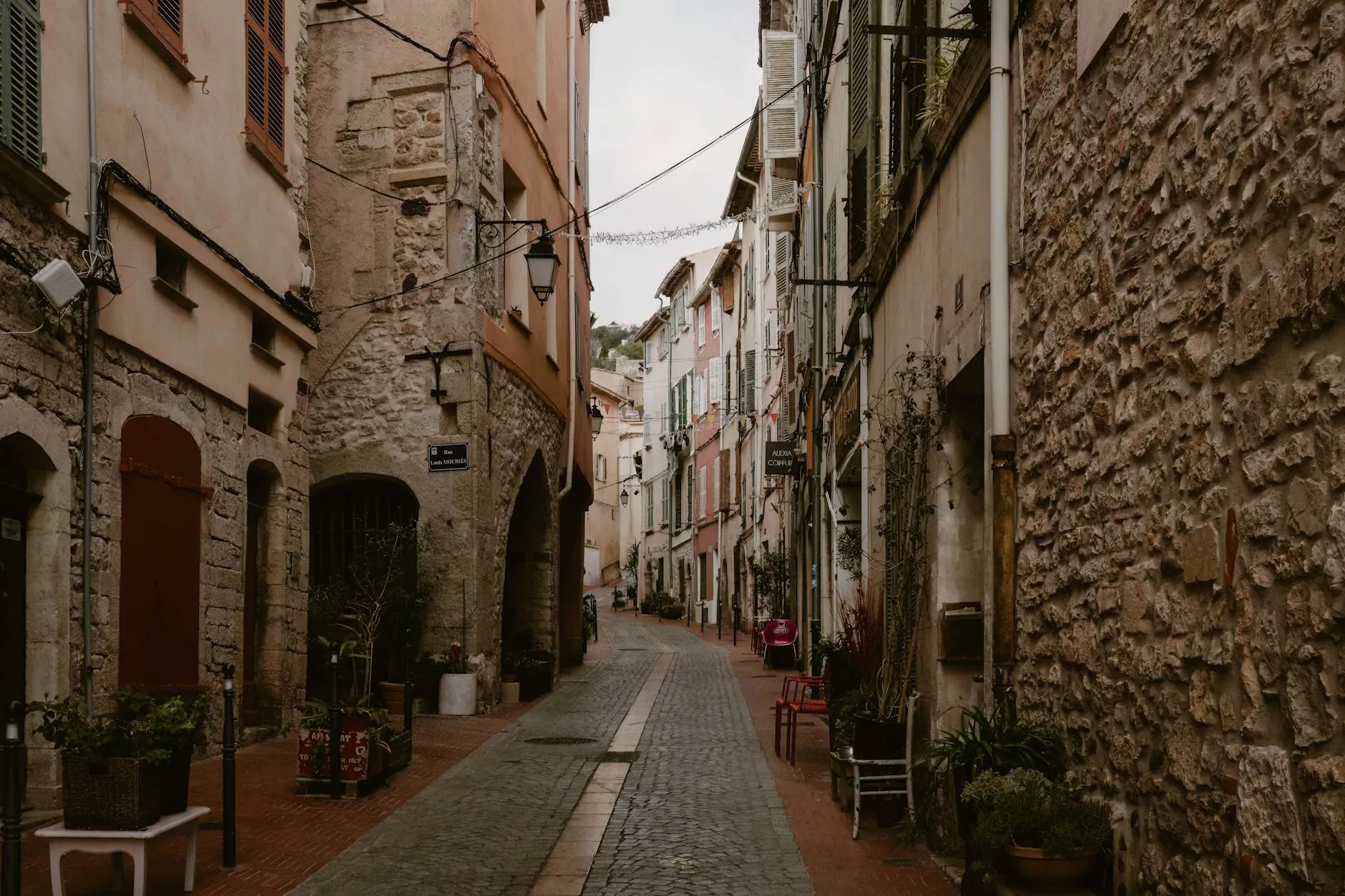
The real pleasure of Gordes is getting lost in the lanes. You go up, you go down, you turn — each calade offers a different view over the tiled roofs or the valley. The village is small, you can walk round it in an hour or two, but the temptation is rather to dawdle.
Several café terraces ring the Place du Château. It is touristy, and the prices reflect that — but sitting there with a coffee, facing the panorama, late in the morning, remains one of those simple little luxuries of Provence.
The Tuesday morning market
If you can, come on a Tuesday morning: it is market day in Gordes. Local producers, cheeses, olive oil, soaps, dried lavender, pottery. The market spreads across the village squares and gives it a genuine Provençal buzz, far from the purely postcard atmosphere of the rest of the week.
Around Gordes: bories and abbey
The Village des Bories
About 4 km from Gordes, downhill, hides the Village des Bories: a hamlet of dry-stone huts, the bories. Built without mortar, simply by stacking flat stones, these huts served as shelters, sheepfolds and barns, from the Neolithic right up to the 19th century.
Around twenty restored bories can be visited, with explanations of the building techniques. It is quiet, instructive, and far less busy than the village. Allow 45 minutes to an hour. Entry is paid (a few euros) — check the opening hours before you set off, as they vary with the season.
The Notre-Dame de Sénanque abbey
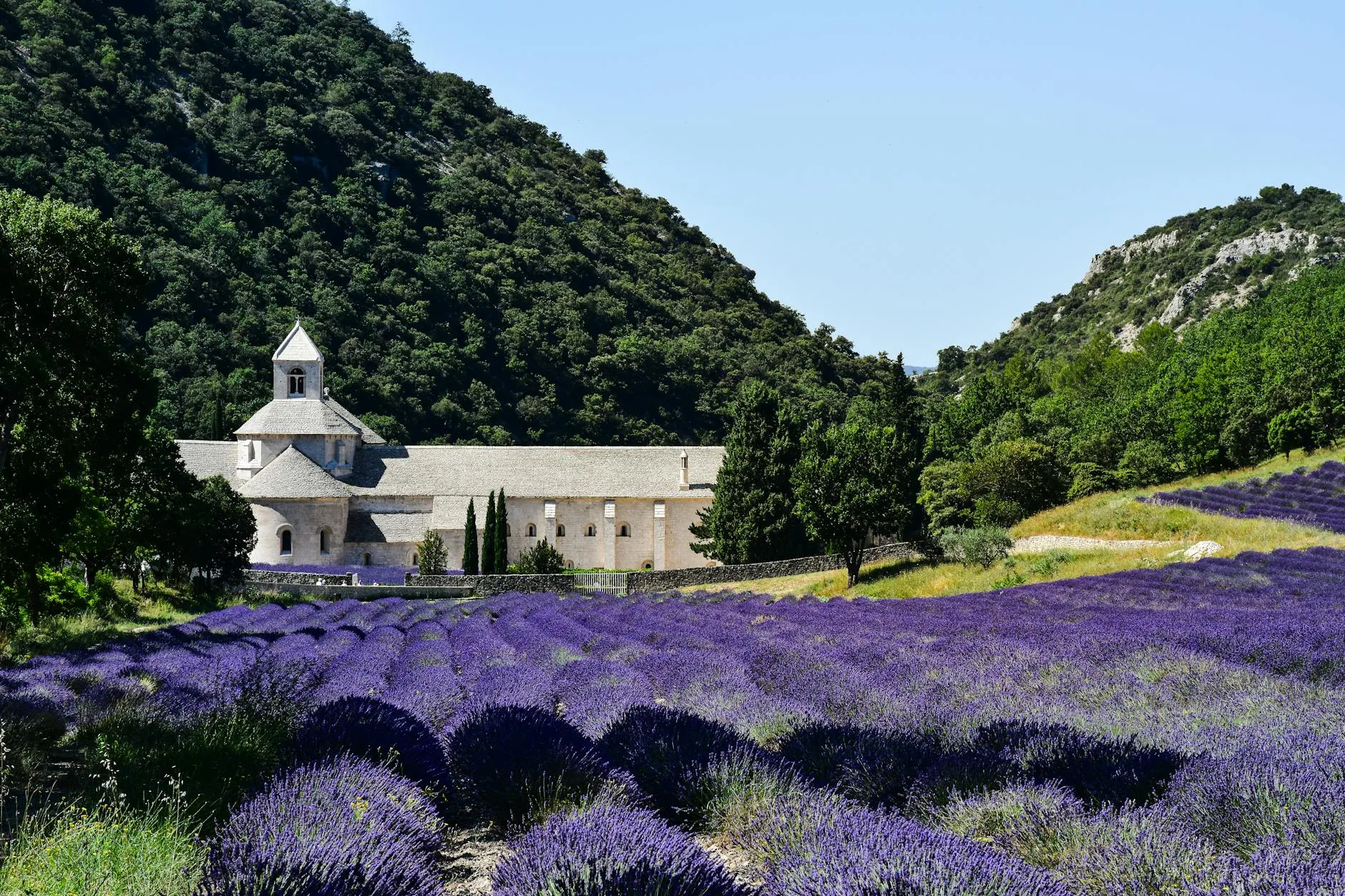
A few minutes from Gordes, tucked into a valley, the Notre-Dame de Sénanque abbey is a 12th-century Cistercian abbey, still home to a community of monks. In front of it stretches the famous lavandin field that appears on so many images of Provence.
The bloom runs roughly from mid-June to mid-July, depending on the year’s weather. It is stunning — but it is also the moment when the little road to Sénanque turns into a traffic jam from 10am. If you go at peak bloom, leave early: before 8.30am, you have the field almost to yourself.
Sénanque deserves an article of its own — we have written one, in more detail.
→ Our full guide to lavender at Sénanque and Gordes
Our host’s advice
A few things we wish we had known before our first visit:
- Come for the golden light. Gordes is a late-day village. The stone lights up from around 5pm to 6pm in summer, and the D15 viewpoint becomes magical. Mornings stay pleasant for the cool air and the calm, but the postcard photo is an evening shot.
- Park below, walk up. The car parks sit below the village. Do not try to drive up into the heart of the calades — it is narrow, steep, and parking there is nowhere to be found. Five to ten minutes on foot, and that is it.
- Pair it with Sénanque and Roussillon. Gordes alone is a half-day. But the village sits at the centre of a perfect triangle: Sénanque abbey on one side, the ochre cliffs of Roussillon on the other. Make it a proper day out.
- Avoid the Sénanque road at peak lavender. From mid-June to mid-July, between 10am and 5pm, the D177 towards the abbey is gridlocked. Go at opening time or right at the end of the day — or simply shift outside the bloom season altogether; Gordes is just as beautiful the rest of the year.
An ideal day from Avignon
Here is the day we suggest to our guests:
- 8am — Leave Avignon, coffee in the car. Route via Coustellet (≈ 50 min).
- 8.45am — Sénanque abbey, before the crowds. Lavandin field, photos, quiet.
- 10am — The Village des Bories, at opening time. A peaceful walk through the dry-stone hamlet.
- 11.30am — Gordes. Climb up through the calades, the château, the belvedere over the plain.
- 1pm — Lunch on a terrace on the Place du Château, or a picnic bought along the way.
- 3pm — Roussillon, 15 minutes away: the Ochre Trail and the red village.
- 6pm — Back towards Gordes for the D15 viewpoint photo in the golden light.
- 7.30pm — Drive home. A late dinner inside the walls of Avignon.
From our apartments
Our three apartments — Lavande Évasion, Lavande Dorée and Cinéma Provence — are in the same building, at 13B rue du Bon Martinet, right in the heart of Avignon inside the city walls, in the Teinturiers quarter. One single base camp: we share our favourite routes on arrival, whether you’re coming as a couple or a family.
Gordes is about 50 km away, a 50-minute to 1-hour drive. There is no practical public transport: plan for a car for the day. We’re a few minutes’ walk from the car parks and the exits of Avignon — handy for setting off early and coming home for dinner with no constraints.
Gordes is the Luberon at its most iconic. Not a secret, no — but a village that truly earns its status, provided you come at the right time of day and take the time to wander.
About this article
How long does it take to drive from Avignon to Gordes?
Allow about 50 km and 50 minutes to 1 hour by car via Coustellet and the D2. There is no practical public transport to Gordes — a car is essential. From our apartments inside the walls of Avignon, we give you the simplest route on arrival.
Where do you park in Gordes?
The car parks sit below the village (paid in high season, a few euros for the day). From there it is a 5 to 10 minute walk uphill along the cobbled lanes. Do not try to drive up into the heart of the village: the lanes are narrow and parking there is nearly impossible.
When can you see the lavender at Sénanque abbey near Gordes?
The lavandin field in front of the abbey blooms roughly from mid-June to mid-July, depending on the year's weather. Arrive early in the morning (before 8.30am): the road to Sénanque clogs with traffic from 10am at peak bloom.
What is there to see around Gordes in one day?
The classic trio: Gordes itself, the Village des Bories (a hamlet of dry-stone huts 4 km away) and the Notre-Dame de Sénanque abbey. You can easily add Roussillon and its ochre cliffs, about fifteen minutes away.
What is the best time of day to photograph Gordes?
Late afternoon, when the low sun turns the village stone gold. The D15 viewpoint, as you arrive from Cavaillon, gives the most famous view — the one where Gordes suddenly appears, stacked on its cliff.