L'Isle-sur-la-Sorgue: antiques, brocante and the Comtat Venice
Half an hour from Avignon lies our favourite escape: L'Isle-sur-la-Sorgue, the "Comtat Venice". A river of crystal-clear water, waterwheels still turning, and one of Europe's biggest antiques gatherings every Sunday. Here is how we go, and when.
There is a river that crosses a town, and it does not merely run alongside it: it flows right in, splits into channels, turns waterwheels, slips under café terraces and comes out the other side, still just as clear. This is L’Isle-sur-la-Sorgue, and it is our favourite escape when we want to leave Avignon without really going far.
The Comtat Venice
It is known as the Comtat Venice (Venise Comtadine), and for once the nickname is not a brochure exaggeration. The town is literally built on water: the Sorgue divides here into a web of canals that wrap around the old centre. Wherever you walk, you hear water running.
What strikes you first is its transparency. The Sorgue is unlike any other river in Provence. It is born a few kilometres upstream, at Fontaine-de-Vaucluse, from a resurgence — a powerful spring that gushes out at the foot of a cliff. The water is filtered through rock, cold, an almost unreal blue-green. You can see the weeds waving on the riverbed like hair.
Along the canals you still pass a dozen or so waterwheels (roues à aubes). They serve little purpose today, but they keep turning, mossed over, a reminder that L’Isle-sur-la-Sorgue was once a working town: the force of the water drove the mills for silk, wool, paper and oil. We like to stop in front of one, simply for the sound.
The Sunday of the antiques dealers
If you only remember one thing: L’Isle-sur-la-Sorgue is one of the European capitals of antiques and brocante. After London, it is often cited as the largest antiques hub on the continent.
The antiques villages
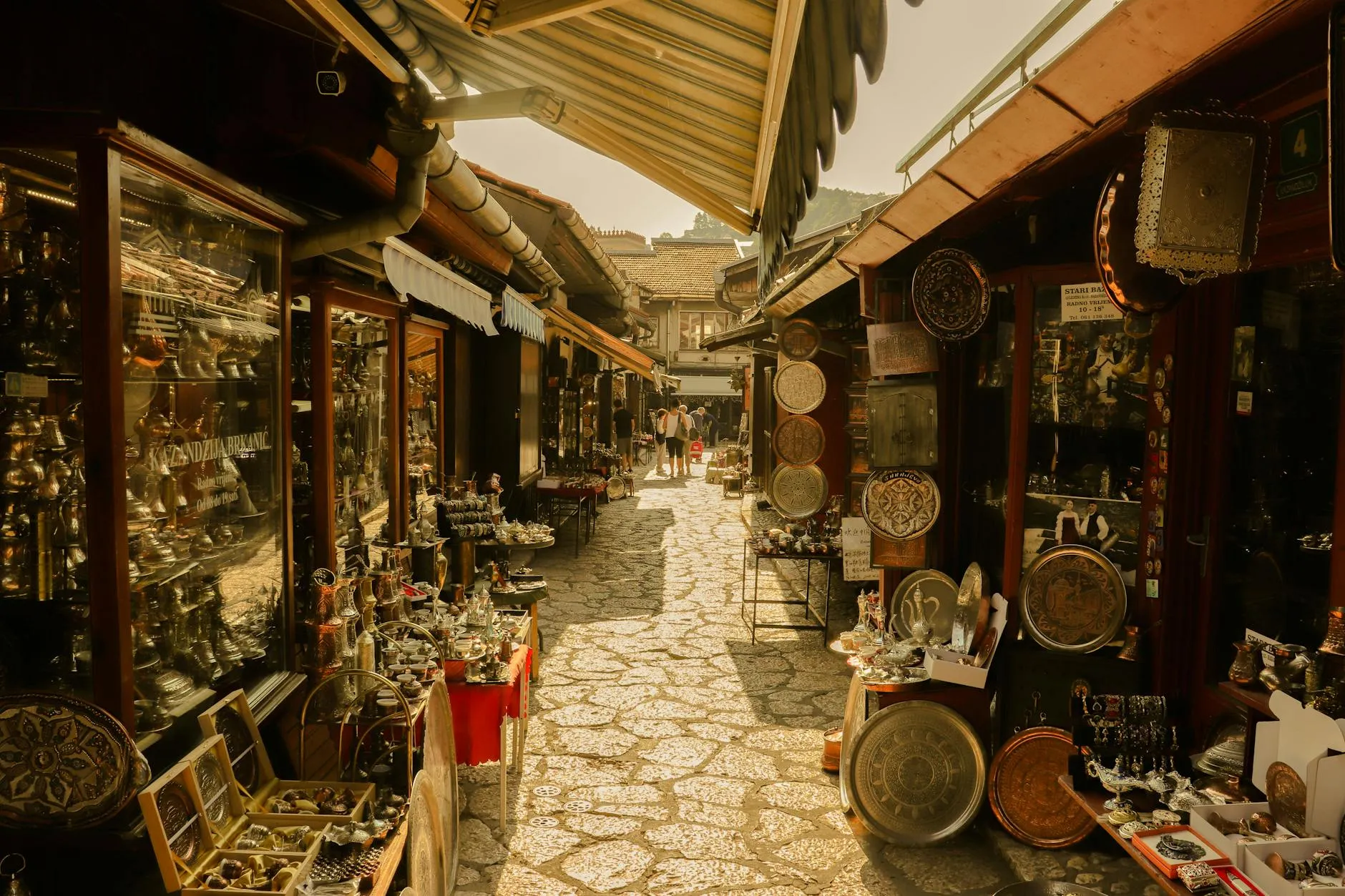
There are two things not to confuse. First, the permanent antiques villages: covered halls, each gathering dozens of dealers under one roof. They are open all year, generally Thursday to Monday. You find everything — Provençal furniture, chandeliers, old linen, faience, paintings, decorative pieces from the 18th and 19th centuries, but also vintage design from the 1950s-70s that decorators love.
The big Sunday market
And then there is Sunday. Every Sunday, around 300 dealers set up in the open air along the quays and the avenue de la Libération. Brocante traders, antiques dealers, professional pickers, designers: the mood is that of one vast treasure hunt.
Twice a year it becomes enormous. Around Easter and around 15 August, the town hosts international fairs over several days, with far more exhibitors — hundreds of extra stalls. These are the most spectacular weekends… and the busiest. The exact dates change every year, so check before you come.
On Sundays there is also the classic Provençal food market on the Place de la Liberté and the surrounding streets: cheeses, olives, Sorgue trout, fruit and vegetables. You can do both markets in the same morning.
The floating market and the boats
A few times a year, in early summer, you may be lucky enough to catch the floating market. Flat-bottomed boats — the famous nego-chin — drift down the Sorgue, loaded with crates of fruit and vegetables, and the traders sell straight from the water. It is brief, prettily staged, and very photographed. The dates need checking each year as they move.
These boats are part of the town’s identity: they were once used by the fishermen and market gardeners moving from one arm of the river to the other.
The Partage des Eaux, kayaking and paddleboarding
Just outside town, towards Fontaine-de-Vaucluse, there is a spot we love: the Partage des Eaux (“the parting of the waters”). This is where the Sorgue officially splits into two arms. The site is shaded by enormous plane trees, with a few riverside guinguettes where you can have lunch almost with your feet in the river. A cool, quiet interlude, perfect in summer.
It is also the launch point for going down the Sorgue by kayak or canoe. Several operators are based around the Partage des Eaux. The descent is easy, family-friendly, and the crystal-clear water makes the trip magical. Paddleboarding works too, on the calm stretches. One warning: the water stays cold all year round — it comes straight from the spring. In high season, book ahead; off season, you can often just turn up in the morning.
The Collégiale Notre-Dame-des-Anges
In the heart of the old centre, we always stop by the Collégiale Notre-Dame-des-Anges. From the outside it is plain, almost discreet. Inside, it is a surprise: an exuberant, gilded, lavish Baroque interior — one of the richest in the region. The contrast with the façade is the whole charm of the visit. It is free, it takes ten minutes, and it is well worth it.
Our host tip
Here is our honest advice.
Which day to go? Sunday is the day for the antiques and the atmosphere, but it is also the day of the crowds and the awkward parking. If you are truly there to hunt, come on Sunday and arrive early — around 8-9 am: the good pieces are gone within the first hours, bought by the professionals themselves. If what you mainly want is the village, the canals and the cafés in peace, come on a weekday instead: the covered antiques villages stay open and the town can breathe.
Parking. Let us be honest: on Sundays, this is the sore point. The central car parks fill up very fast. Two solutions that work: park a little way out and finish on foot, or — our favourite — take the TER train from Avignon-Centre. The train drops you a few minutes from the centre, and you skip all the car stress.
Avoiding the worst. In August, do not come in the middle of the day: between noon and 3 pm it is hot, the quays are packed, and the charm evaporates. Come in the morning, head off for a cool lunch, or plan a break at the Partage des Eaux under the plane trees.
Our ideal half-day
Here is how we plan a morning in L’Isle-sur-la-Sorgue:
- 8.30 am — Leave Avignon (by car or TER).
- 9.00 am — Arrival. Coffee on a canalside terrace, waking up to the sound of the water.
- 9.30 am — The market: the antiques first (the bargains go early), then the food market for a picnic.
- 11.00 am — A wander through the old centre: the waterwheels, the Collégiale Notre-Dame-des-Anges, the lanes along the water.
- 12.00 pm — Off to the Partage des Eaux for lunch at a guinguette in the shade of the plane trees — or, in the afternoon, a kayak descent.
- 3.00 pm — Back to Avignon, the boot a little fuller than on the way out.
From our apartments
L’Isle-sur-la-Sorgue is about 30 minutes from our three apartments, which share the same building at 13B rue du Bon Martinet, in the Teinturiers quarter of Avignon, within the walls. That is the advantage of this single town-centre base: you reach everything easily, by car or by train.
From the building, Avignon-Centre station is within walking distance: on Sundays, we hop on the TER and leave the car alone.
Book your stay directly and we will share our best places to hunt for treasures — the ones we keep out of an article.
About this article
What day should I visit L'Isle-sur-la-Sorgue?
Sunday for the big antiques market and the food market, Thursday for a calmer version of the market. If you want the village quiet and market-free, come on a weekday (Tuesday to Saturday): the permanent indoor antiques villages stay open and the canalside is peaceful.
How long does it take to get to L'Isle-sur-la-Sorgue from Avignon?
Around 30 km, about 30 minutes by car on the D938. There is also a TER train from Avignon-Centre to L'Isle-sur-la-Sorgue / Fontaine-de-Vaucluse station in about twenty minutes — handy on Sundays to skip the parking headache.
Is there a floating market in L'Isle-sur-la-Sorgue?
Yes, the floating market is held on the Sorgue, usually on an early-summer Sunday morning (often around August, dates worth checking each year). Flat-bottomed boats, the nego-chin, drift down the river loaded with fruit and vegetables. It is short and very photographed — come early.
Do I need to book kayaking or paddleboarding on the Sorgue?
In high season (July-August), yes, it is best to book ahead with the rental operators near the Partage des Eaux. Off season you can often just turn up in the morning. The water is cold all year round as it comes from the spring at Fontaine-de-Vaucluse — bring something to dry off with.
Is the L'Isle-sur-la-Sorgue antiques market open all year?
The permanent dealers (covered antiques villages) are open all year, generally Thursday to Monday. The big open-air market runs every Sunday, and two major international fairs take place around Easter and 15 August — worth checking, as those are the busiest weekends.