Sénanque Abbey and Gordes: the Luberon lavender route
Sénanque, Gordes and Roussillon form the classic Luberon triangle in one day. To experience it without being overwhelmed by tourist coaches, there are precise timing rules to follow and a visiting order that changes everything.
Three sites. One day. A precise order.
This Sénanque-Gordes-Roussillon circuit is something I recommend to almost every guest who comes in July. It is the “Provençal postcard” day you imagined before you arrived. Here is how to live it without coming home frustrated by crowds or heat.
Why the order matters
Most travel agencies propose the geographic or alphabetical order: Gordes, then Sénanque, then Roussillon. That is the order that guarantees you arrive at Sénanque when it is most crowded (11 am to 2 pm), find Gordes packed at lunchtime, and Roussillon under a punishing midday sun.
Our order: Sénanque first (7:45 am), Gordes in the morning (9:30 am), Roussillon in the late afternoon (5-7 pm).
Stop 1: Sénanque Abbey (7:45-9 am)
Why so early
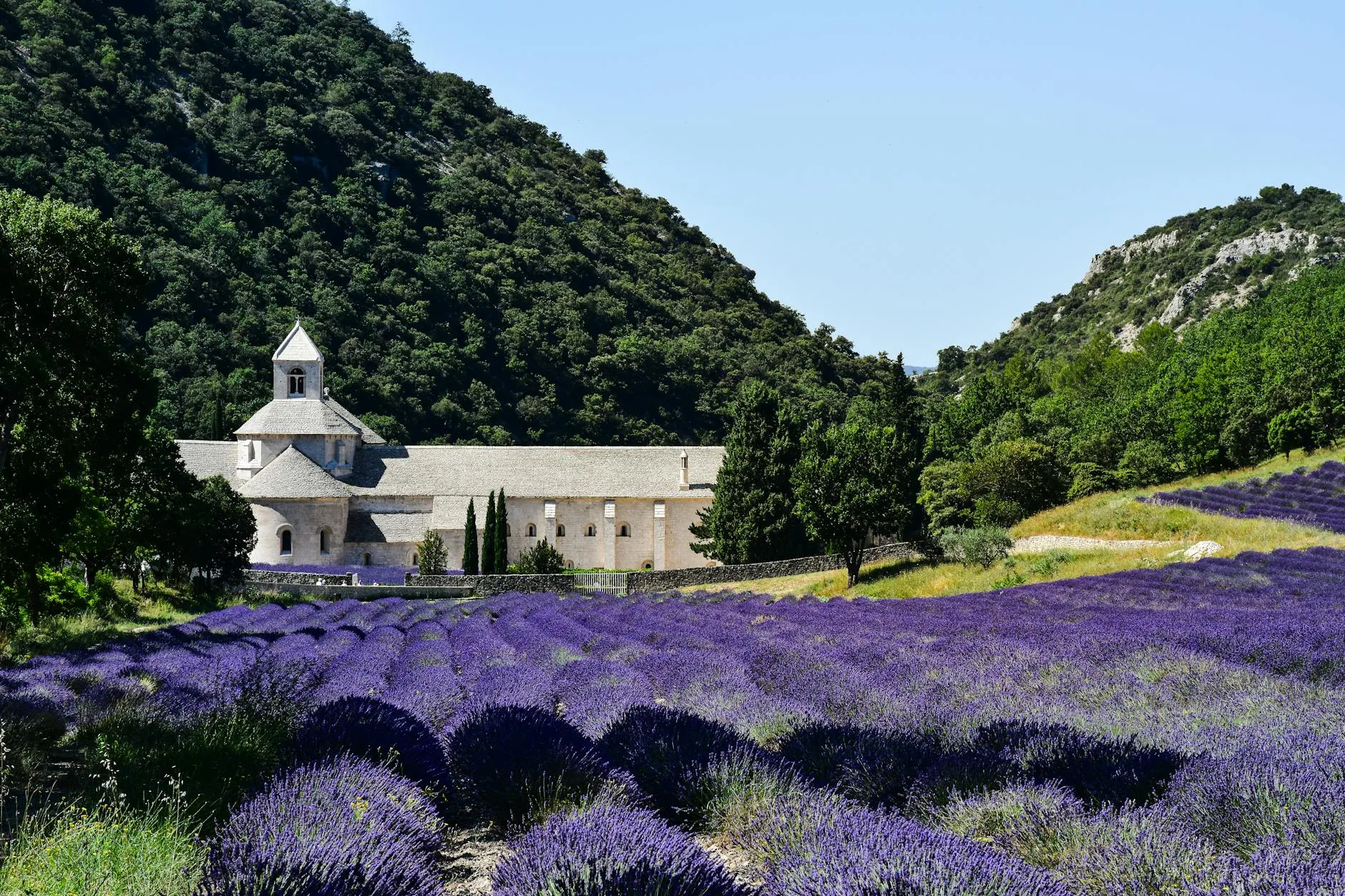
Sénanque Abbey is an active Cistercian community since the 12th century. The lavandin field that precedes it, set in its enclosed valley, is probably the most photographed image in Provence.
From mid-July to late July (peak bloom), the first tourist coaches arrive at 9:30 am. The official car park is full by 10 am, police are directing traffic on the D177 from 10:30 onwards. If you arrive at 10 am, you wait in a queue, stress out, and the photo is ruined by 50 people in the frame anyway.
If you arrive at 7:45, you park easily on the D177 roadside (200 metres before the official car park, where everyone stops anyway), walk down in five minutes, and you have the abbey and its field to two or three people at most.
What you see
The lavandin field (lavandins, not true lavender — the distinction matters) is planted directly in front of the Romanesque abbey. In full bloom, the intense violet contrasts with the grey 12th-century stone — it looks exactly as you imagined.
The field is roughly 2000 m². A path runs along its side. Do not walk into it — the plants are fragile and this is the garden of an active monastic community. Respect the marked boundaries.
Recommended shot: position yourself in a slight upward angle from the left path (facing the abbey), early morning, with the rising sun to your right. The raking light brings out the violet rows.
Visiting the abbey itself
Guided tours start at 10 am, 2 pm and 4 pm. If you are there at 7:45 for the photograph, you leave before tours begin. If you want to see the interior (pure Romanesque architecture, stripped bare — the Cistercian rule of absolute austerity), come back at 10 am or plan a second visit.
The monastery shop (honeys, essential oils, dried lavender, skincare products) opens at 9 am. Their lavender honeys are among the best in the Luberon.
Stop 2: Village of Gordes (9:30 am – 12:30 pm)
After Sénanque, drive back up the D177 and enter Gordes from the south. The village is directly ahead on its rocky spur — the view from the road is as dramatic as the photographs suggested.
The village itself
Gordes is listed among France’s Most Beautiful Villages, and it earns it. The village climbs in tiers of dry-stone terracing, the alleys are narrow and steep, and from nearly every corner you see the Luberon plain stretching out below.
Arrive at 9:30: the few tourists present are still at breakfast. Walk up from the lower car park (free, 5 minutes on foot) to the Renaissance château-museum at the summit.
Do not miss: Place du Château, in front of the late 16th-century Renaissance castle. The belvedere overlooking the plain to the south — one of the widest panoramas in the Vaucluse.
The Village des Bories (outside the village, 10-11 am)
Two kilometres from Gordes, the Village des Bories is a collection of dry-stone huts (bories) used as shelters from the Neolithic period through the 19th century. Several dozen reconstructed bories on agricultural land, with explanations of the building techniques.
Authentic, instructive and uncrowded in the morning. Entry: €7/adult, free for children.
Lunch at Gordes
Several restaurants around Place du Château. Our preference: La Bastide de Gordes for higher budgets, Le Mas Tourteron outside the village for better value with a panoramic terrace.
Alternatively, a picnic bought at Les Halles d’Avignon before departure — and lunch in the open air between Gordes and Roussillon.
Stop 3: Roussillon (5-7:30 pm)
Roussillon is 11 km from Gordes (15 minutes). But do not head there at 2 pm — you would arrive in full sun on the ochre cliffs, the light is harsh, and the orange colour flattens out.
The plan: spend the afternoon in and around Gordes (walk the D102 lavender lanes, visit the Musée de la Lavande at Coustellet, or return to your Avignon apartment for a rest).
Head to Roussillon at around 4:30-5 pm.
The Sentier des Ocres
Roussillon is built on ochre cliffs (17 shades of yellow, orange and red depending on the time of day). The Sentier des Ocres is a marked path of 35-45 minutes through the cliffs themselves — accessible without a guide, entry €3/adult.
Recommended light: 6-8 pm in July. The sun is low, raking light shifts the ochres from vivid orange to burgundy red over 90 minutes. This is the photographic window not to miss.
The village of Roussillon
Above the cliffs, the village is built in ochre stone — the facades themselves shift colour with the light. A few art galleries, cafés with views over the panorama, local-produce shops.
Smaller and less crowded than Gordes. The streets take 30 minutes. The end-of-day atmosphere, with light on the ochres, is genuinely unlike anywhere else.
Summary schedule
| Time | Stage | Note |
|---|---|---|
| 5:30 am | Depart Avignon | Coffee in the car |
| 6:30-7:30 am | Drive to Sénanque | Via D2 and D177 |
| 7:45 am | Arrive Sénanque | Photo before the crowds |
| 9 am | Leave Sénanque | |
| 9:30 am | Gordes | Village + belvedere + bories |
| 12:30 pm | Lunch | On-site or picnic |
| 2-4:30 pm | Free time | Lavender museum, walk, rest |
| 5 pm | Depart Roussillon | |
| 5:15 pm | Roussillon | Ochre path + village |
| 7:30 pm | Drive back | |
| 8:30 pm | Avignon | Late dinner |
This driving circuit works from mid-June to late August. Off-season, the lavender is no longer in bloom at Sénanque, but Gordes and Roussillon remain spectacular — and far less crowded.
About this article
What time should we arrive at Sénanque Abbey in July?
7:45-8:15 at the latest. The abbey opens guided tours at 9 am, but the lavandin field in front of it is accessible from the road at any time. At 7:45, you have the field to yourselves. At 10 am, there are 200 people in the car park.
How do we get to Sénanque from Avignon?
45-50 minutes by car via Caumont-sur-Durance and the D2. Pass through Gordes (D177) — the descent to the abbey from the village is spectacular and the most beautiful approach. GPS: Abbaye Notre-Dame de Sénanque, Gordes.
Is Roussillon really worth visiting?
Yes, but plan it for late afternoon rather than morning. The ochre cliffs photograph under the raking light of late day (6 pm to 8 pm in summer) — the orange colour becomes almost unreal. The Sentier des Ocres takes 35-45 minutes, accessible without a guide.