Châteauneuf-du-Pape from Avignon: vineyards, rolled pebbles and the popes' castle
Châteauneuf-du-Pape is one of the most famous appellations of the southern Rhône, a ruined hilltop castle that was the summer residence of the Avignon popes, and a unique terroir of large rolled pebbles. About twenty minutes from my apartments — but a visit worth planning a little ahead.
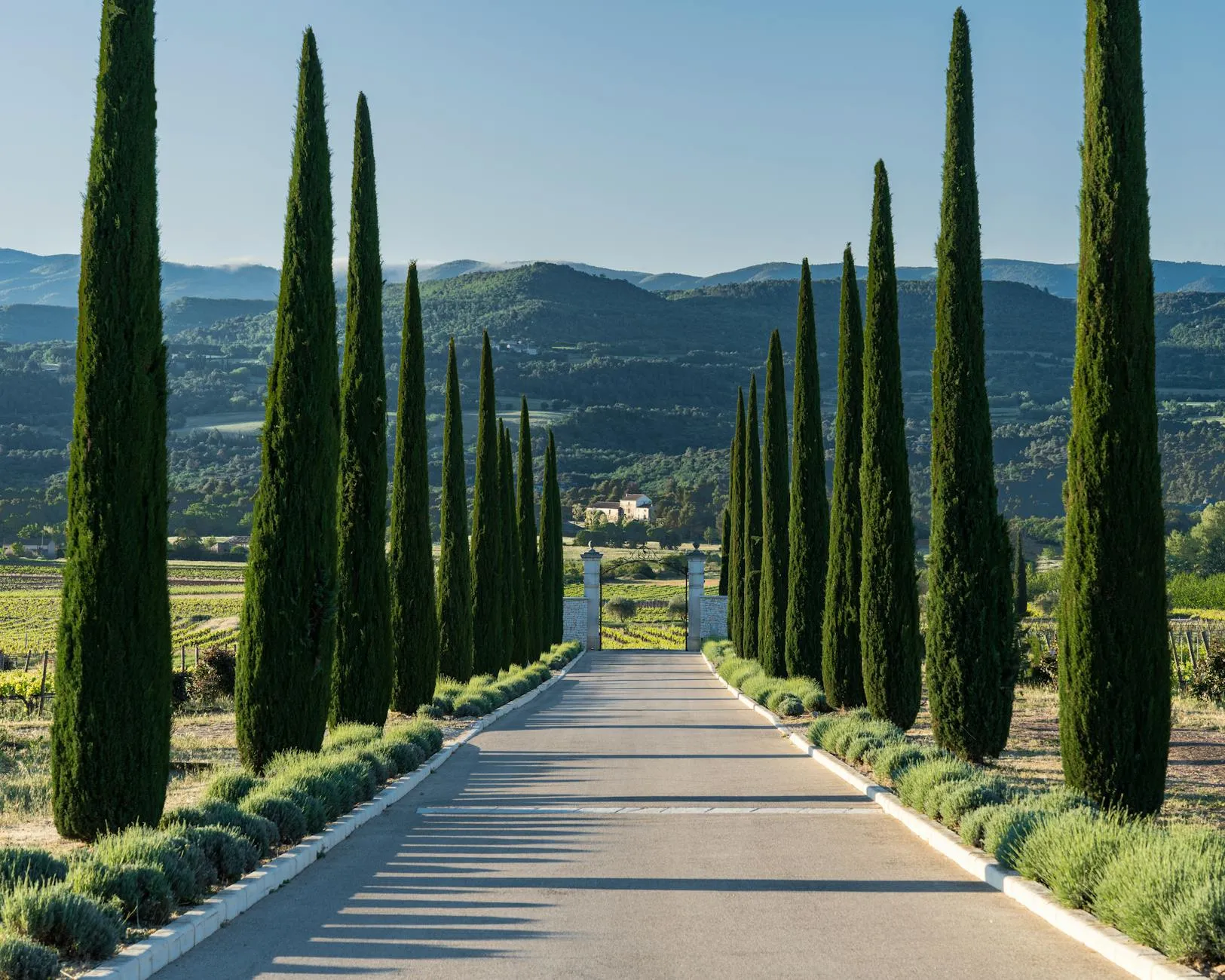
The first time I took guests towards Châteauneuf-du-Pape, we climbed up to the castle ruins in the late afternoon. The vineyard spread out below, the Rhône glinted in the distance, and you could just make out Avignon in the heat haze. One of them set down his glass for a second and simply said: “You can see why the popes came to spend the summer here.”
Here’s how I tell my guests to discover this village — without turning the day into a race, and knowing what’s worth planning a little ahead.
A wine village twenty minutes from Avignon
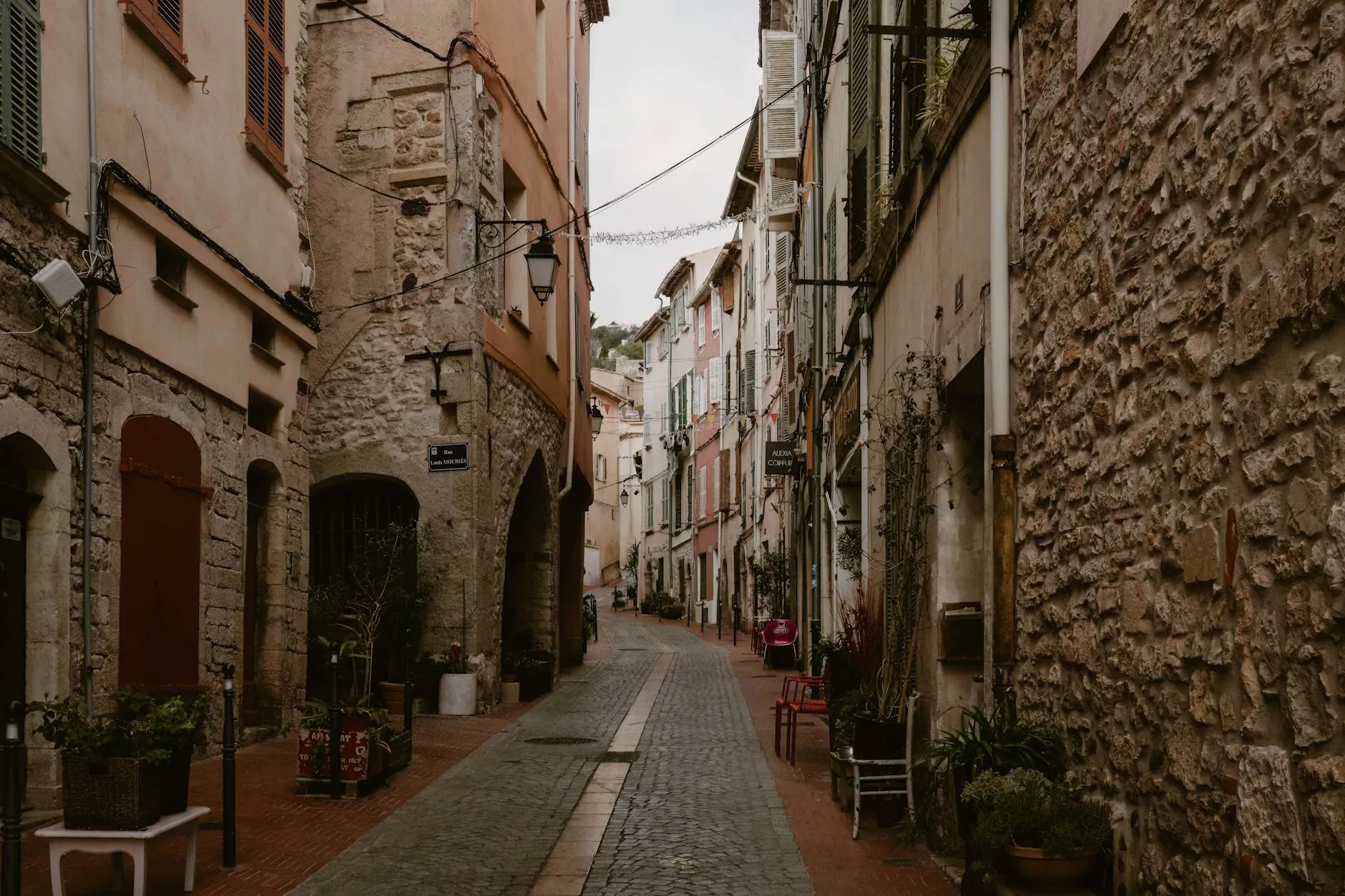
Châteauneuf-du-Pape sits about twenty minutes’ drive north of Avignon, on the left bank of the Rhône. It’s a classic Provençal village — sloping lanes, stone façades, fountains — but here everything revolves around one thing: wine.
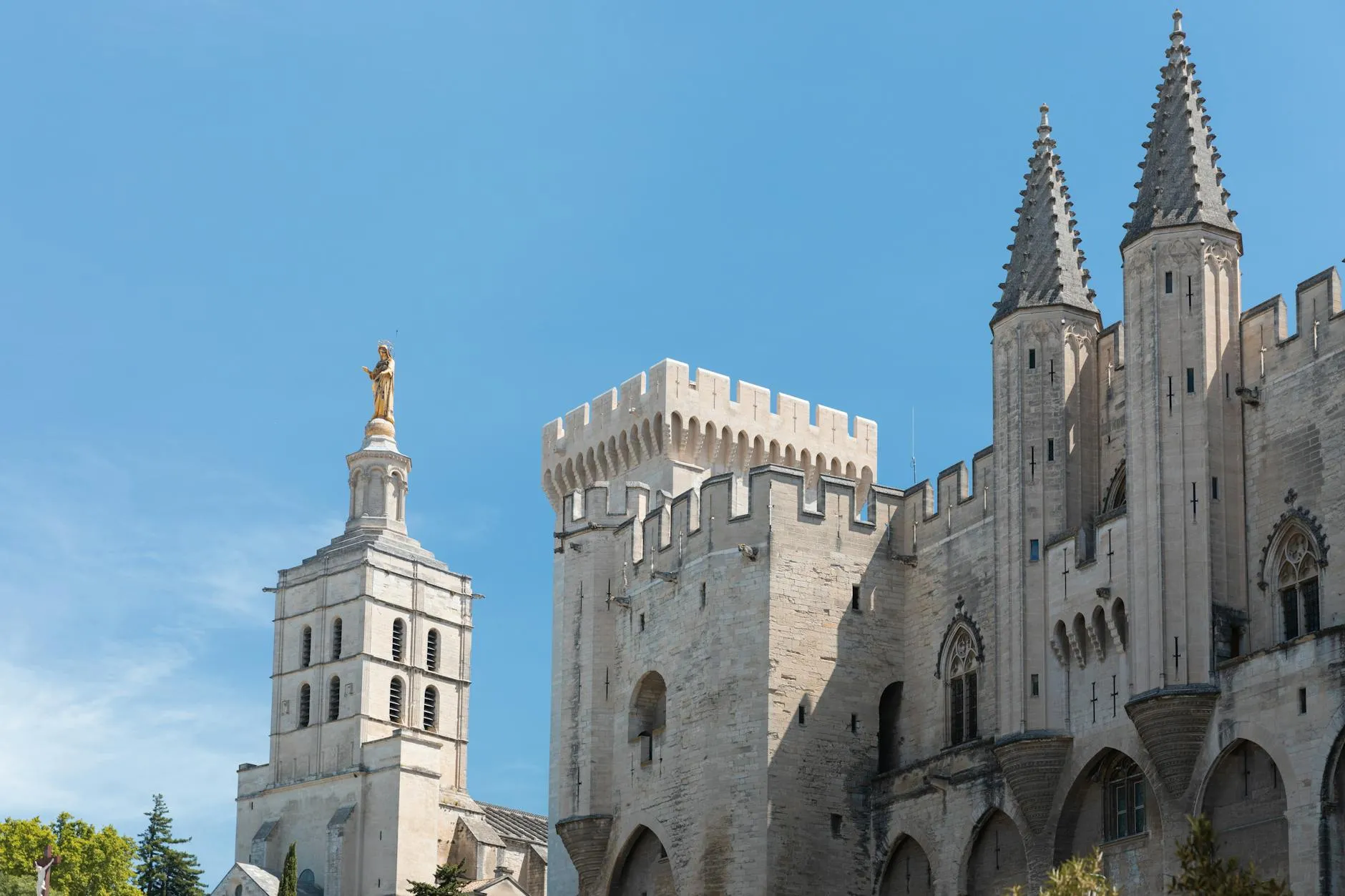
The name already says a lot. “Châteauneuf-du-Pape” — the pope’s new castle — refers to the castle the Avignon popes had built on the hill in the 14th century, when the papacy was based in Avignon. It was their summer residence, a cool, elevated spot above the valley. The popes already prized the local wines, and that’s partly where the terroir’s reputation began.
The village takes about thirty minutes to walk. What you mostly find here are caveaux (tasting cellars), wine shops and estates that open their doors. It’s compact, lively, and built around tasting.
The popes’ castle: a ruin with a view
At the top of the village, the popes’ castle — often called the château des papes — is now just a ruin. Only a large section of wall and a few structures remain, but the climb is well worth the effort.
From up there, the view is superb: the whole vineyard laid out in a mosaic, the plain, the Rhône winding away, and on a clear day the silhouette of Avignon and the Palais des Papes in the distance. It’s the best place to grasp, in a single glance, how the village and its terroir fit together.
Access to the ruined site is free and the climb is short. Wear decent shoes — the ground is uneven — and a hat in summer, as there’s no shade up there.
The terroir: the famous rolled pebbles
If there’s one image of the vineyard to remember, it’s this: whole plots covered in large, pale, rounded pebbles. These are the galets roulés, one of the emblems of Châteauneuf-du-Pape.
The idea is simple and fascinating. These pebbles were deposited by the Rhône a very long time ago, then polished by the water. During the day, they store the sun’s heat; at night, they release it slowly back to the vines. This thermal regulation contributes to the ripeness and character of the wines.
An honest point: the vineyard isn’t only pebbles. The appellation also includes sandy, clay and limestone soils, and it’s this diversity of terroirs that partly explains the variety of wines from one estate to the next.
A founding appellation
Châteauneuf-du-Pape is not an AOC like any other: it is largely here that the French appellation system was born.
In the 1920s, driven notably by Baron Le Roy, a local winegrower, producers defined precise rules: delimitation of plots, permitted grape varieties, cultivation methods. This pioneering work served as a model for what would become the national AOC system. So when you taste a Châteauneuf-du-Pape, you’re tasting a piece of French wine history.
The appellation allows a blend of several grape varieties — a notable feature. Grenache is generally the backbone of the reds, joined depending on the estate by syrah, mourvèdre and other permitted varieties. There are also whites, less common but worth attention. Each winegrower composes their own balance: that’s what makes comparative tasting so interesting.
I’m deliberately keeping this general. Rather than recommending a particular estate or vintage, I’d rather tell you this: push open several doors, compare, and form your own opinion. That’s the whole point of the place.
How to visit: tastings and good practice
Tasting in Châteauneuf-du-Pape works in two ways.
- Estate visits. Many properties offer a tour of the cellars followed by a guided tasting. It’s the richest option, but it’s often by appointment — remember to book, especially outside peak weekends and in high season.
- The village caveaux and shops. In the village itself, several wine shops and tasting cellars let you taste more freely, without an appointment, and leave with a few bottles. It’s perfect for a first approach.
For tasting prices, I’d rather not quote a figure: it varies a lot from one estate and one formula to another. Ask when you book.
My host advice
I’ll be direct, because that’s the point of booking with a local.
- Appoint a sober driver. This is non-negotiable. You’ll taste several wines, sometimes in more than one cellar. Either one of you doesn’t drink, or you take a wine tour with a driver from Avignon.
- Book your estate visits. An email or call the day before is enough, and saves you finding closed doors. The village caveaux are always there to fall back on, but a booked cellar visit is a different experience.
- Don’t pile up the estates. Two well-chosen tastings beat five rushed ones. The palate tires quickly, and you’ll enjoy it more by taking your time.
- Pair it with the castle climb. Do it in the late afternoon, when the light gilds the vineyard. It’s the loveliest moment, and a fine counterpoint to the cellars.
- Buy on the spot. If a wine wins you over, take a few bottles straight from the estate or caveau: it’s a far better souvenir of Provence than a shop trinket.
Getting there from Avignon
Châteauneuf-du-Pape is about a twenty-minute drive from my apartments, north of Avignon. The car is by far the most practical option — there’s no genuinely convenient public transport to the village.
If no one wants to be the designated driver, the right solution is a guided wine tour departing from Avignon. Several agencies run them, with a driver and sometimes several estates on the programme: you can taste with complete peace of mind.
From our apartments
My three apartments share the same building, at 13B rue du Bon Martinet, in the quartier des Teinturiers, inside Avignon’s walls. Châteauneuf-du-Pape is one of the day trips I recommend most often — especially to wine lovers — and you reach it by car, about a twenty-minute drive from the parking lot next to the building.
Lavande Évasion is my cosy nest for two, perfect for a wine escape at your own pace. Lavande Dorée offers more room to come home in the evening, set down your bottles and plan the next day. Cinéma Provence is my largest apartment, designed for families and groups of friends who want to explore the Rhône valley together — three apartments, one single address a short step from the morning departure towards the vineyard.
About this article
How do I get to Châteauneuf-du-Pape from Avignon?
The easiest way is by car: allow around twenty minutes by road. There's no genuinely practical public transport to the village. If you want to taste without worrying, the best option is a guided wine tour departing from Avignon — several agencies run them with a driver, which solves the designated-driver question entirely.
Can I visit a cellar and taste without booking ahead?
For estate visits with a guided tasting, it's better to book — many properties work by appointment, especially outside peak weekends. In the village itself, several wine shops and caveaux let you taste more freely. In high season, a phone call or email the day before saves you disappointment.
Do I need a designated driver to visit Châteauneuf-du-Pape?
Yes, clearly. This is a tasting village: you'll sample several wines per cellar, sometimes across more than one estate. Appoint a sober driver, or choose a tour with a driver departing from Avignon. Driving after a morning of tasting is neither legal nor sensible.
How much time should I plan for Châteauneuf-du-Pape?
Half a day is enough for the village, the climb to the ruined castle and one or two tastings. If you want to visit several estates or have lunch there, plan a full day. The village itself takes about thirty minutes to walk.
What are the galets roulés of Châteauneuf-du-Pape?
They are the large rounded pebbles that cover much of the vineyard. Deposited by the Rhône a very long time ago and polished by the water, they store the sun's heat during the day and release it to the vines at night. They're one of the most emblematic features of this terroir, though the appellation also includes other soil types.