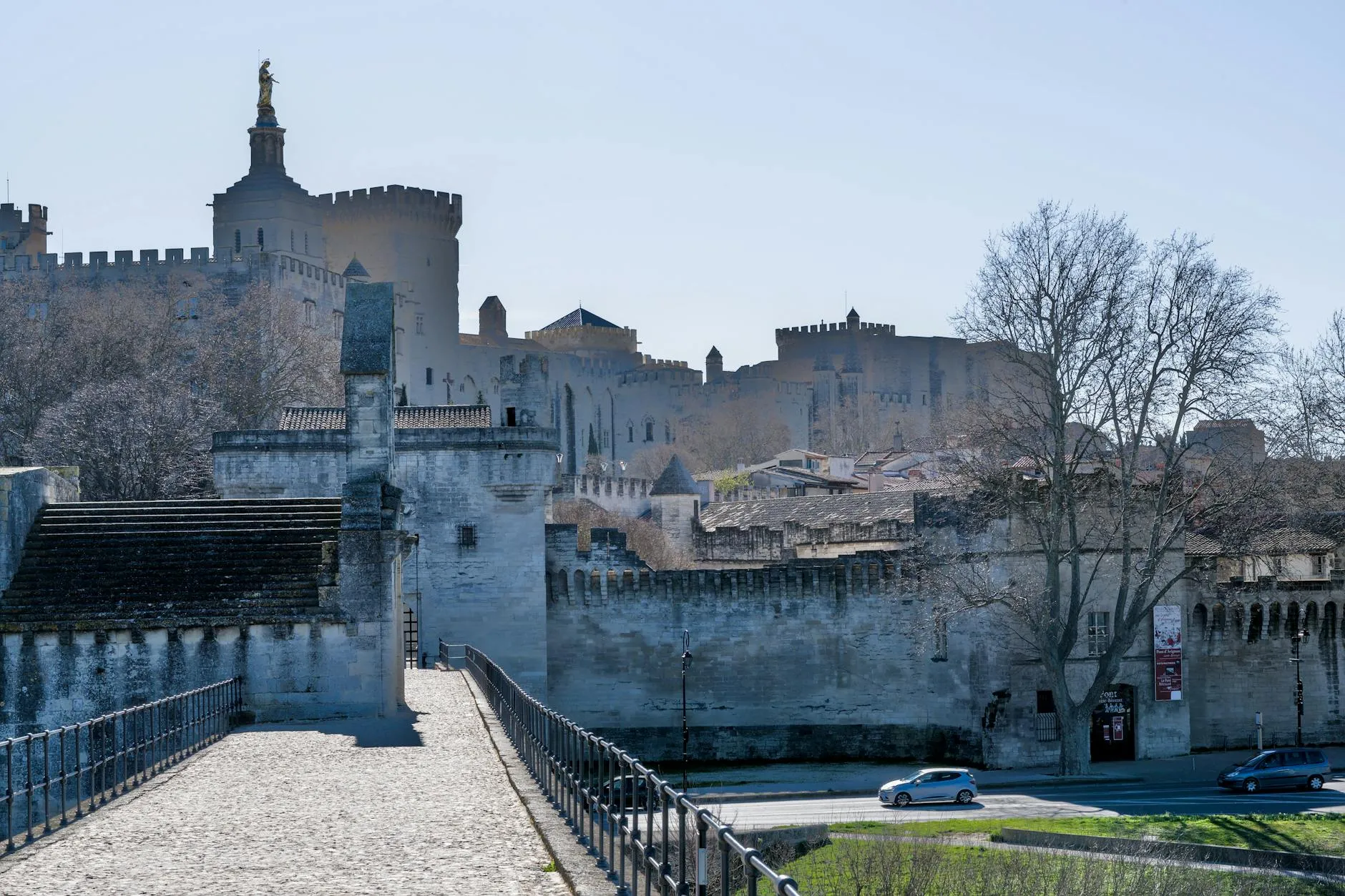
The Pont Saint-Bénézet: visiting the famous Pont d'Avignon
Everyone knows the song, few know the story. The Pont Saint-Bénézet has not crossed the Rhône for three centuries — it stops, abruptly, in the middle of the river. Here is why, and how to visit it without falling into the tourist trap.
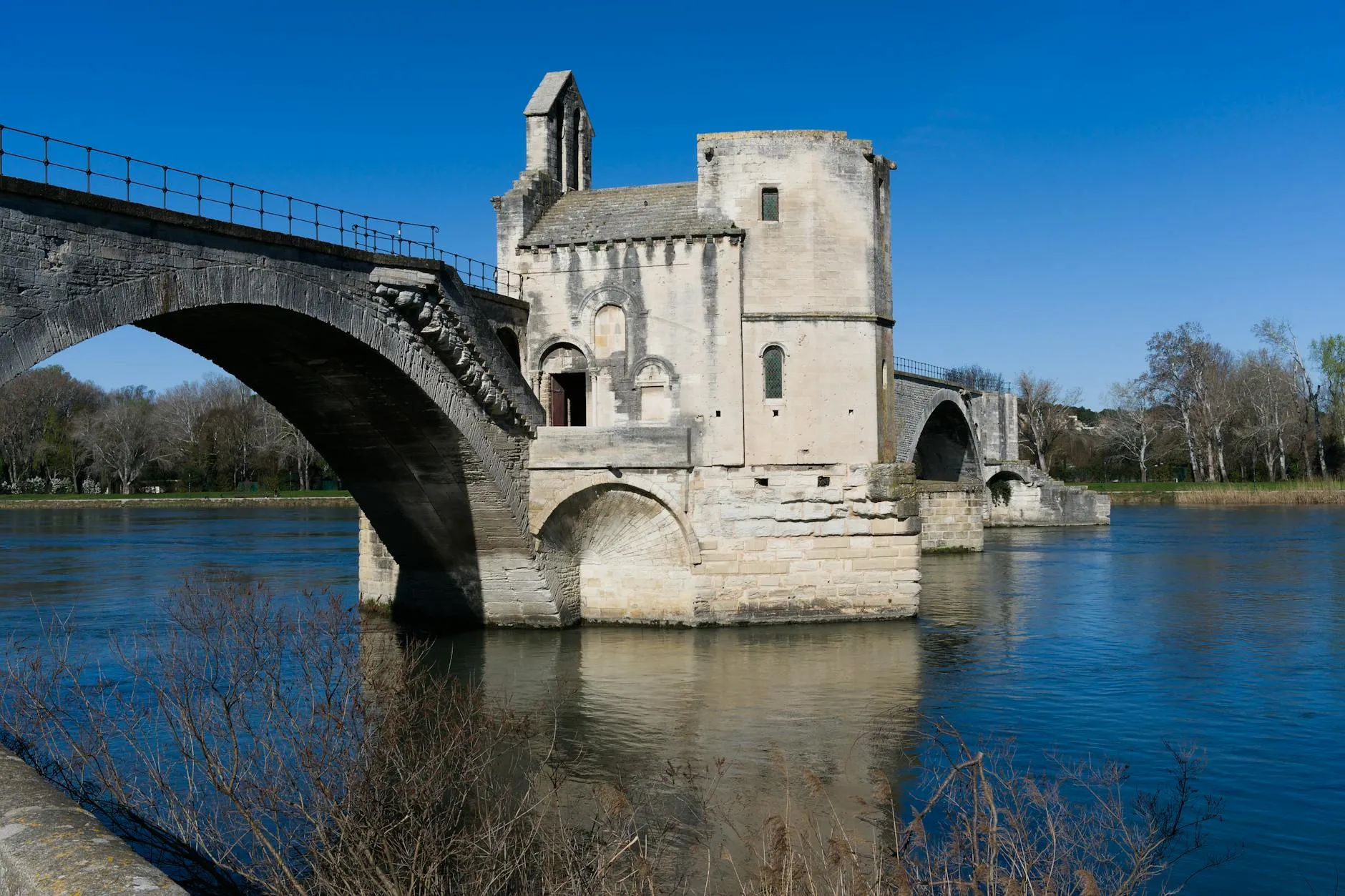
There is one detail the song leaves out: the Pont d’Avignon crosses nothing. You walk onto it, you head out towards the Rhône, and then the bridge stops. Dead. Above the water, into thin air. It is one of the strangest monuments in France — a bridge that leads nowhere, yet has drawn visitors from all over the world for centuries.
Since I started renting apartments inside the city walls, I have seen it in every light. Here is what you should know before you go.
A bridge that stops in mid-river
Before exploring Avignon’s history, check same-day opening hours and allow time for a walk through the surrounding streets. Direct booking is also a simple way to keep useful arrival information together.
The Pont Saint-Bénézet pairs beautifully with a walk along the Rhône and Avignon’s ramparts. Checking seasonal opening times before you go helps leave more time afterward for a relaxed wander through the historic center.
The Pont Saint-Bénézet now hosts experimental night visits on certain June Fridays, with light displays on the arches and medieval ambient music — a novel way to rediscover this iconic monument away from daytime heat.
The Pont Saint-Bénézet — its real name — is today a stretch of four arches reaching out over the Rhône before ending abruptly. In the Middle Ages this was not the case. The bridge had twenty-two arches and linked Avignon to Villeneuve-lès-Avignon, on the far bank. It was a considerable structure for its time: nearly 900 metres of stone spanning France’s most powerful river.
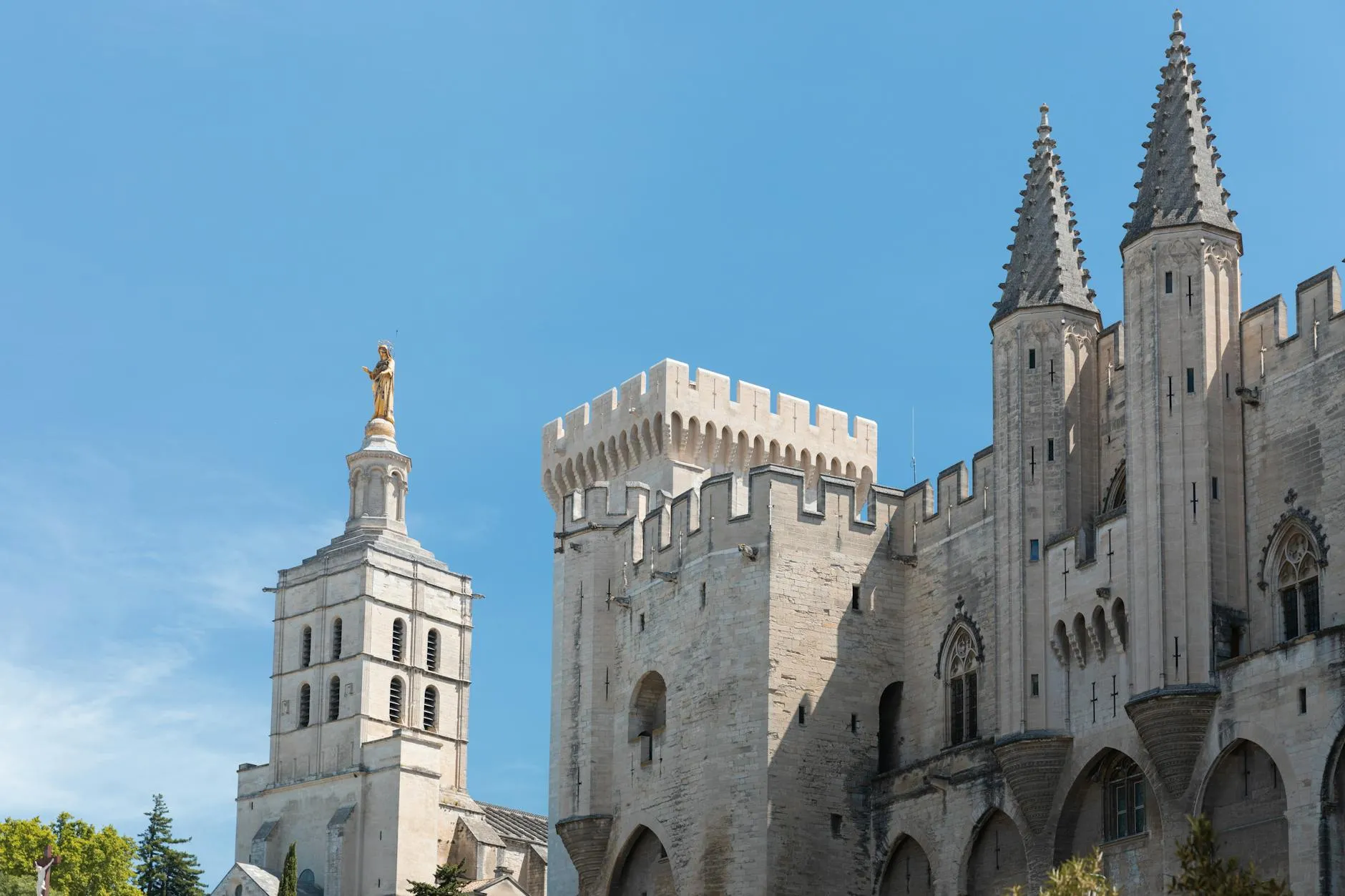
This bridge is part of the ensemble inscribed on the UNESCO World Heritage list since 1995, alongside the Palais des Papes, the Rocher des Doms and the ramparts. It is the whole “Historic Centre of Avignon” that is protected — the bridge is just one piece of it, but the most photographed.
The legend of the shepherd Bénézet
The bridge is named after a shepherd. The legend — for it is one, told since the 12th century — has it that a young herdsman named Bénézet received from God, in 1177, the order to build a bridge across the Rhône. The notables of Avignon laughed at him. To convince them, Bénézet is said to have lifted, single-handed, an enormous block of stone that dozens of men could not budge.
Persuaded by the miracle, the people of Avignon followed him. Construction began, carried out by a brotherhood, the “Bridge Brothers”, devoted to building river crossings. Bénézet died before the bridge was finished and was buried in a chapel built on the structure itself. That, I find, is what makes this monument moving: behind the nursery rhyme lies a fairly sombre tale of medieval faith.
The Saint Nicolas chapel
On the bridge itself, level with the second arch, stands a small chapel. It is in fact double: a lower Romanesque chapel dedicated to Saint Nicholas — patron of boatmen, no coincidence on a river — and an upper Gothic chapel added later. This is where Bénézet’s body lay.
When you visit the bridge, this is the only “interior” you see. Small, bare, but it is the historic heart of the structure. Take the time to step inside rather than heading straight to the end of the bridge for the photo.
Why only four arches remain
The Rhône has always been a violent river. Before modern dams, its floods were fearsome, and a stone bridge planted in its bed meant a permanent battle.
Throughout the Middle Ages and the Renaissance, the bridge’s arches were swept away, rebuilt, swept away again. The flood of 1669 was one of the most destructive. Each time, rebuilding cost a fortune, and each time the river took back its due. By the 17th century, exhausted, the city gave up: repairs to the bridge stopped.
The remaining arches collapsed little by little, for want of upkeep. Four survive, anchored on the Avignon side, together with the chapel. The rest vanished underwater or was dismantled. What you visit today is therefore, literally, a survivor — the fragment of a structure the Rhône refused to let stand.
“Sur le pont d’Avignon”
You cannot talk about this bridge without the song. Everyone knows it, it has travelled the world, and it has probably done more for Avignon’s fame than any tourist guide.
An amusing point: people probably did not dance on the bridge. It was too narrow for round dances. Tradition places the dancing under the bridge, on the Île de la Barthelasse, where the people of Avignon came to celebrate. Some old versions of the song actually say “under the bridge”. The “on” won out over time — it sings better.
Visiting the bridge in practice
Ticket and timing
Access to the bridge deck is paid. The ticket is very often sold as a combined deal with the Palais des Papes, and that deal works out cheaper than two separate entries — if you plan to do both, it is the obvious choice. Prices and opening hours vary with the season: check the official Avignon Tourisme website before you set out, I would rather not quote a price that will be wrong in six months.
Allow 30 to 45 minutes on site. An audioguide is included and it is well done: it tells the legend of Bénézet, the floods, the chapel. The bridge itself is quick to walk, but the audioguide gives the visit some depth.
Our host’s tip
Let us be honest: paying to walk a short bridge is not an obvious choice for everyone. Here is how I advise my guests.
If you are already visiting the Palais des Papes — and you should be — take the combined ticket. The extra cost for the bridge is modest and the visit rounds out the story of Avignon as the city of popes.
If your time or budget is tight, know that the finest views of the bridge are free, and that they are taken from the outside. You see the whole bridge, with the Palace behind it — a framing you precisely do not get when you are standing on the bridge.
Go early in the morning or late in the afternoon. The low light on the golden stone and the water of the Rhône is superb, and you will avoid the midday groups.
The best free viewpoints
- The Rocher des Doms. The hilltop garden, just behind the Palais des Papes, gives a sweeping view down over the bridge, the Rhône and Villeneuve. It is free, shaded, and it is my favourite place to take in the geography of Avignon at a single glance.
- The Île de la Barthelasse. On the far bank, this large green island offers the classic “postcard” view: the bridge and the Palace lined up above the water. You walk there across the Daladier bridge, or take the small free river shuttle when it is running.
- The Daladier bridge. The neighbouring modern road bridge is open to pedestrians. Crossing it on foot gives you a clear side-on view of the Saint-Bénézet — handy, with no detour.
From our apartments
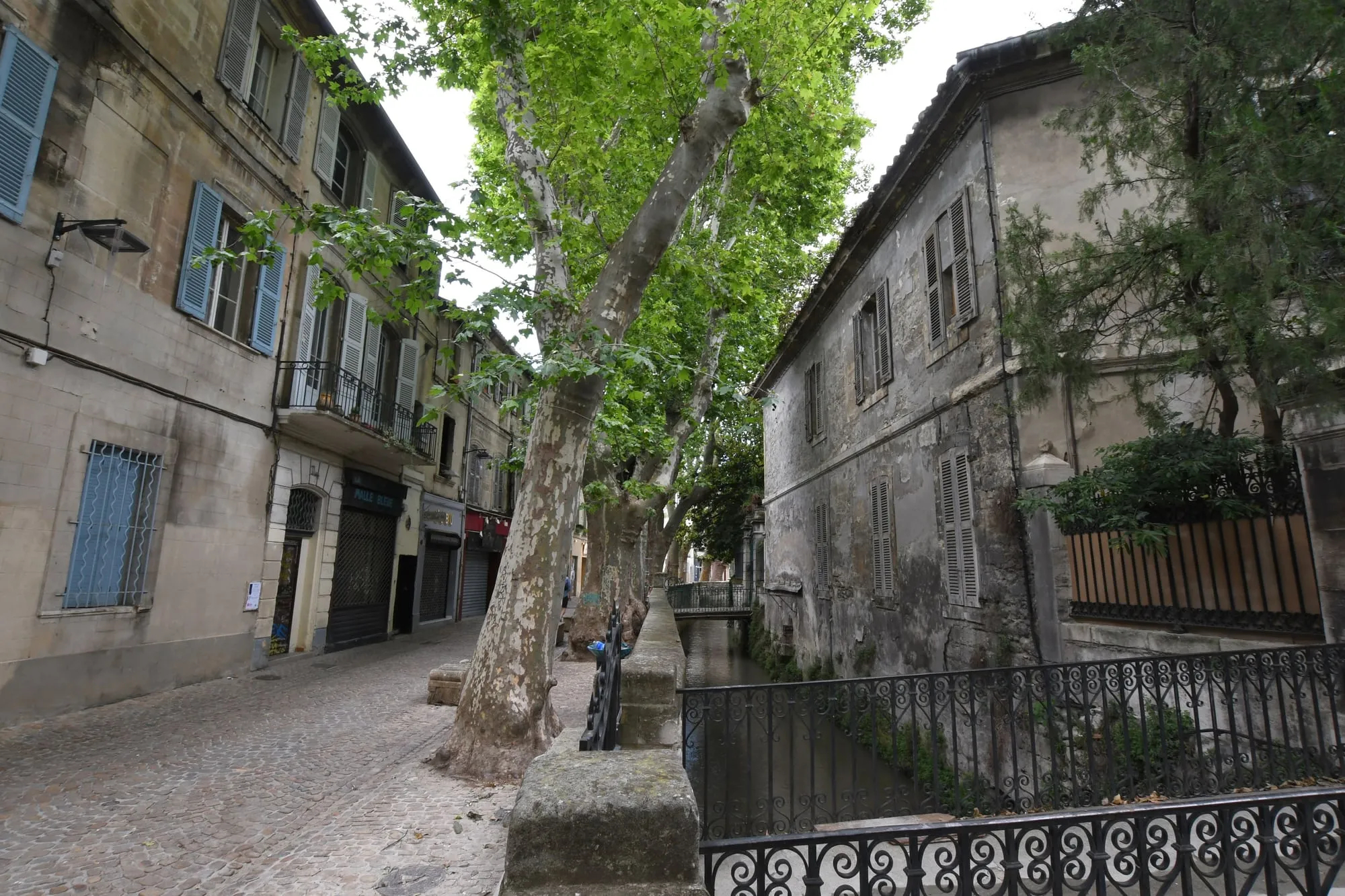
My three apartments — Lavande Évasion, Lavande Dorée and Cinéma Provence — are in the same building, at 13B rue du Bon Martinet, in the Teinturiers quarter, right inside the walls of Avignon.
From the building, the Pont Saint-Bénézet is about a dozen minutes on foot: the ideal route runs past the Rocher des Doms, giving you the view from above over the bridge and the Rhône before the visit.
The Pont d’Avignon is not the city’s most spectacular monument — the Palais des Papes steals the show. But it is the most singular. A bridge that stops in the middle of the water gives you something to think about, and it stays with you long after the song.
About this article
Why doesn't the Pont d'Avignon cross the Rhône any more?
The bridge originally had 22 arches linking Avignon to Villeneuve-lès-Avignon. Repeated Rhône floods, especially violent in the 17th century, carried away most of the arches. The city eventually gave up rebuilding them. Four remain, on the Avignon side, and it is this stump of a bridge that you visit today.
Do you need a ticket to visit the Pont Saint-Bénézet?
Yes, access to the bridge deck is paid. The ticket is very often offered as a combined deal with the Palais des Papes, which works out cheaper than two separate tickets. Prices and opening hours change with the season — check the official Avignon Tourisme website before your visit.
How long does it take to visit the bridge?
Allow around 30 to 45 minutes with the audioguide. The bridge is short, but the audioguide tells the legend of Bénézet and the story of the floods well, and there is the small Saint Nicolas chapel to see. There is no need to plan for longer.
Can you see the Pont d'Avignon for free?
Yes. The finest views of the bridge are free and are taken from the outside: from the Rocher des Doms garden, from the Île de la Barthelasse, or from the Daladier bridge. For many visitors these viewpoints are more than enough.
Is the song 'Sur le pont d'Avignon' true?
The song is genuine and very old, but people probably did not dance on the bridge itself — too narrow. Tradition places the dancing under the bridge, on the Île de la Barthelasse, where people gathered for festivities. Some old versions of the song actually say 'under the bridge'.