The Bains Pommer: Avignon's Hidden Belle Époque Treasure
Behind an ordinary façade on rue du Chapeau Rouge hides one of Avignon's best-kept secrets: the Bains Pommer, a late-19th-century public bathhouse whose Belle Époque decor has survived almost untouched. We tell the story of this heritage curiosity few travellers know.
I have a habit. When a guest asks me “what is there to see that isn’t in the guidebooks?”, I walk them to rue du Chapeau Rouge, stop in front of an unremarkable façade, and tell them what hides behind it. Most people pass that door their whole lives without knowing. That is exactly why I love this place: the Bains Pommer are the kind of secret a local keeps carefully.
An ordinary façade, a Belle Époque world
Bains Pommer announces its back-to-school program: wellness workshops, intimate concerts in the interior courtyard and new spa packages for the cool season. A venue that continues reinventing the Avignon art of living year-round.
Avignon is well suited to slower, restorative breaks between visits or after a Provence day trip. On busy weekends, arrange key bookings ahead and keep the rest of the schedule light enough for spontaneous moments.
In Avignon, heritage walks are refreshed in small ways: clearer signs, restored façades, and streets that feel new when explored slowly on foot. Even during a short stay, take a moment to look up between visits; the city often reveals itself in details.
Bains Pommer, our favorite Roman baths in the city center, just announced a new “wellness evening” package for summer 2026, with extended access until 10 PM on Thursdays and Fridays — perfect after a festival day or a Luberon hike.
Walled Avignon is a city of vertical, hidden surprises: inner courtyards, concealed staircases, buried chapels. The Bains Pommer push that logic to its extreme. From the street, nothing — a door, a shopfront, the anonymity of a central building. Then you cross the threshold and you tip back into the end of the 19th century.
The Bains Pommer are former Belle Époque public baths, founded by the Pommer family around the 1880s. At the time, this kind of establishment met a very concrete need: the city was modernising, hygiene was becoming a central question, and few homes had a private bathroom. Urban public baths were both a sanitary service and a social space — people went the way you might go to the neighbourhood pool today.
What makes the Bains Pommer remarkable is not so much that they existed — many towns had them — but that they survived almost intact.
The decor that crossed time
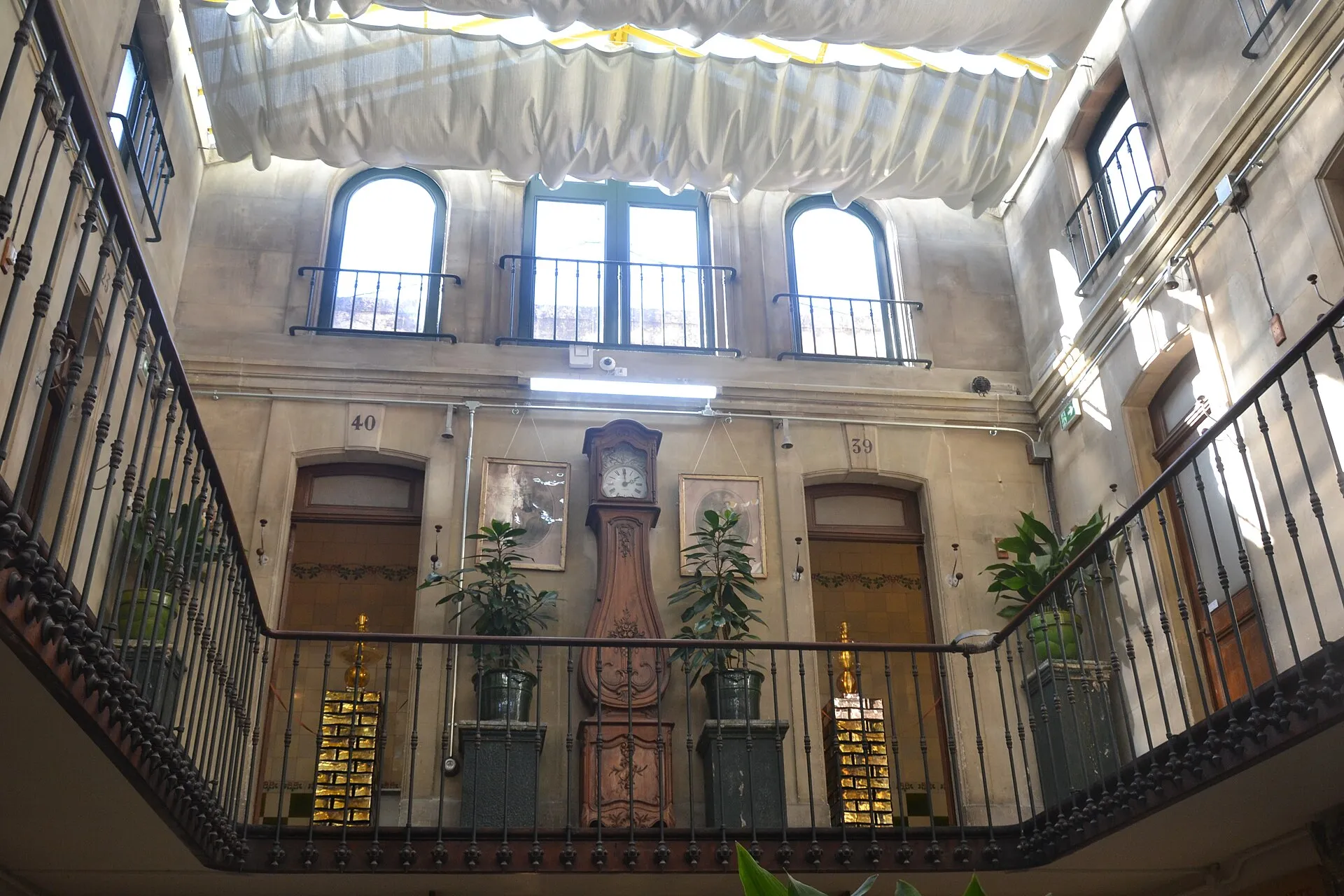
Stepping into the Bains Pommer is stepping into a parenthesis. The building has kept much of its original decor: painted ceilings, floor mosaics, period bathtubs, an atmosphere blending Belle Époque taste with the Orientalism then very much in fashion. We won’t describe every motif down to the millimetre — partly because the building is better discovered than recounted, and partly because we’d rather stay honest: the exact detail of the decor deserves to be seen with your own eyes, not paraphrased.
What we can share is the impression: soft light, patinated surfaces, the unsettling feeling of a place the 20th century forgot to transform. Where countless similar establishments were demolished, modernised or converted with no regard for their decor, the Bains Pommer kept their original skin.
Why did this place survive?
It is often chance that saves modest heritage. An establishment that closes but is not demolished, owners who touch nothing — for lack of means or out of attachment — a building that “sleeps” long enough for the heritage sensibility around it to shift. Nineteenth-century public baths were not seen as noble heritage; they were viewed as utilitarian facilities. It took time for that gaze to change.
Today the Bains Pommer are listed as a historic monument (inscrit aux Monuments Historiques), a recognition that records their value and protects them. The building has also been the subject of reflections and discussions around its restoration and showcasing — a topic that recurs regularly in Avignon’s heritage life.
How to see inside — honestly
Let’s be clear, because we don’t want to disappoint you: the Bains Pommer are not a tourist site whose door you push whenever you like. It is neither a working spa nor a museum with permanent ticketing. It is a closed place that opens intermittently.
Here are the realistic ways to discover it:
- European Heritage Days, in mid-September, are the best window. This is typically when usually-closed sites open their doors exceptionally. If your stay falls in that period, check the year’s Avignon programme.
- Occasional guided visits: visits are sometimes organised around Avignon’s lesser-known heritage. The Avignon Tourist Office is the contact to ask — only they will have up-to-date information.
- Cultural events: a place like this sometimes serves as a setting for exhibitions or one-off events.
We insist: don’t plan your day around a guaranteed visit. Check the opening status at the time of your stay, and treat a possible visit as a happy bonus rather than a given.
The neighbourhood around it
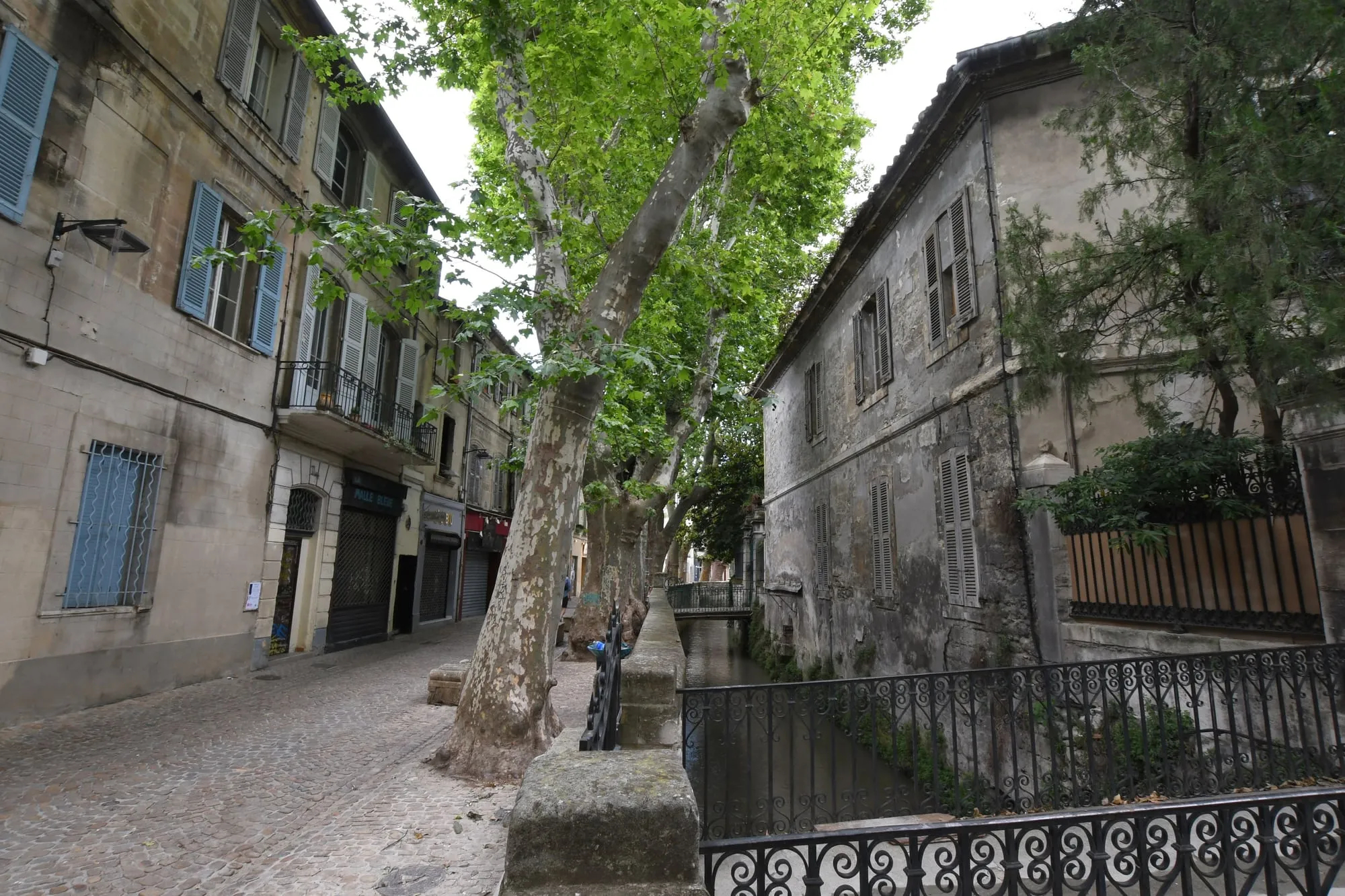
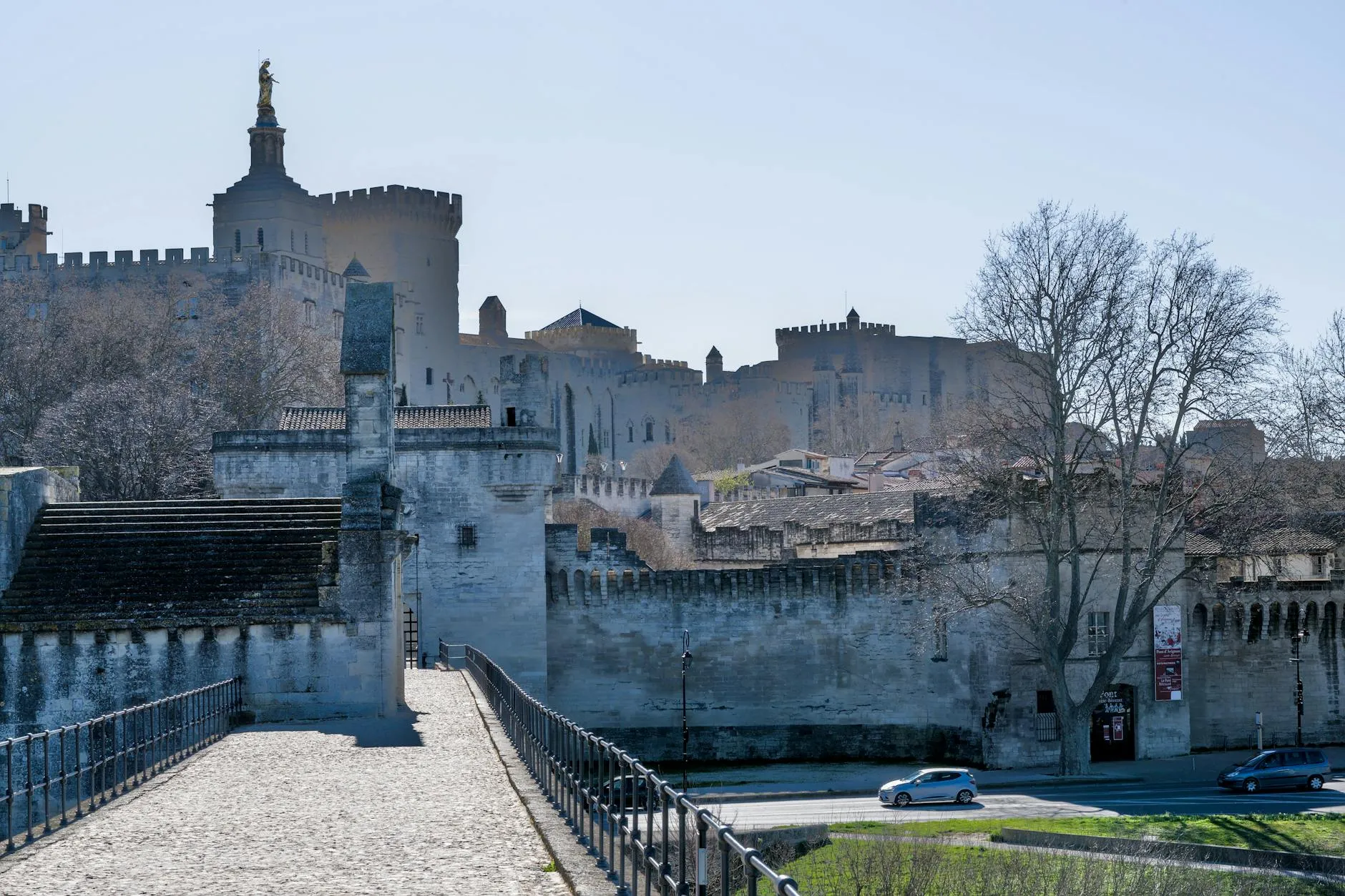
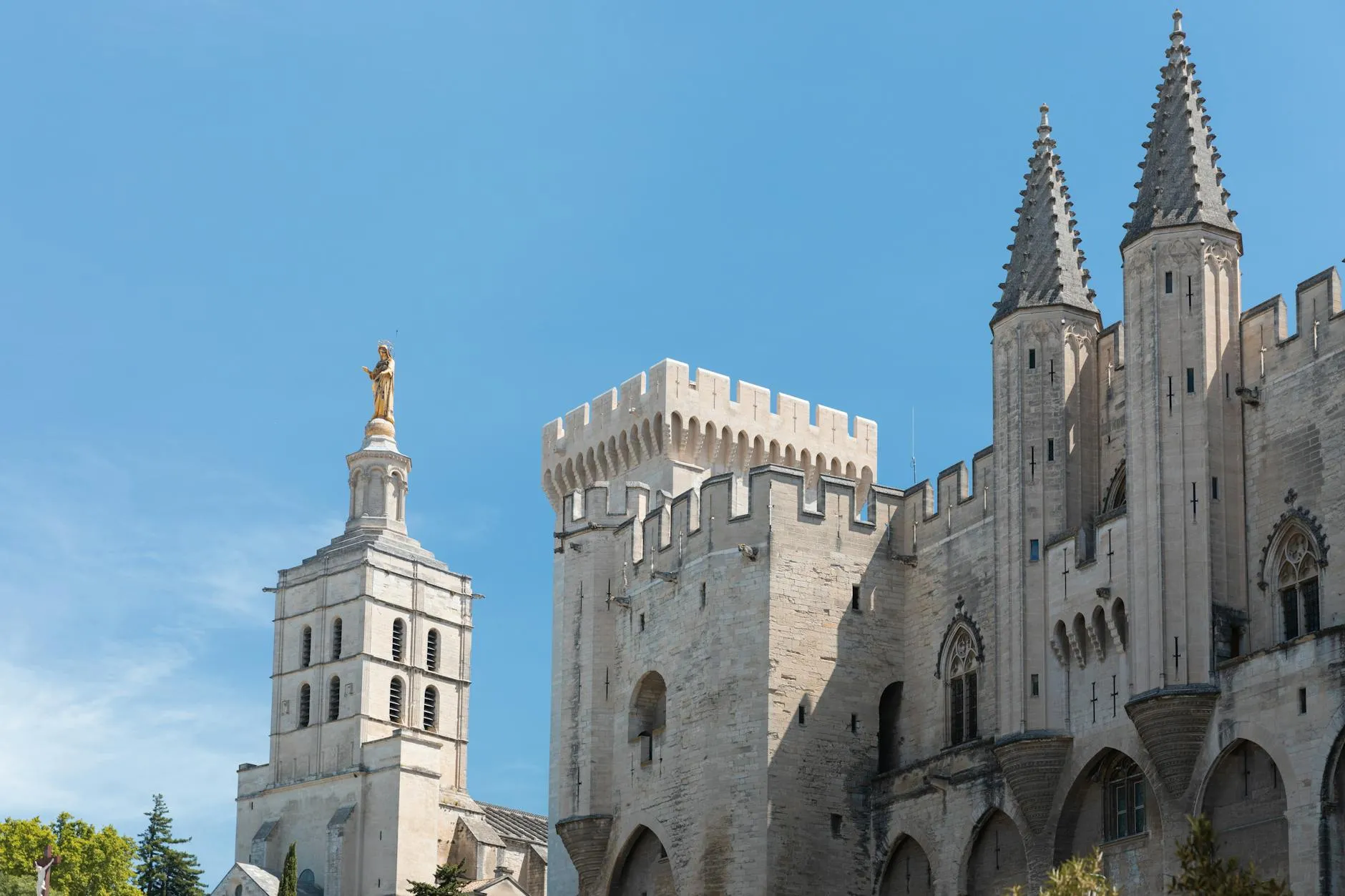
Rue du Chapeau Rouge sits at the heart of the historic centre, a short distance from Place de l’Horloge and the Palais des Papes. It is a pleasant area to wander: shopping lanes, terraces, old façades. Even with the door closed, the detour is worth the walk — we like to pass through on the way up to the Rocher des Doms, or heading back down towards rue des Teinturiers and its waterwheels.
Our host’s tip
Our advice fits in one sentence: treat the Bains Pommer as a curiosity, not an attraction. It’s a story we tell our guests, a façade we show them, a name we whisper so they keep an eye out. If your stay coincides with Heritage Days, go and ask straight away — that is the most likely chance to see inside. Otherwise, simply savour the knowing: walking a city while aware of its secrets is already another way of visiting it. And that, ultimately, is what we try to pass on to every traveller we welcome.
From our apartments
Our three apartments share the same building, at 13B rue du Bon Martinet, in the Teinturiers quarter — inside the walls, a few minutes’ walk from rue du Chapeau Rouge. The curiosity of the Bains Pommer is literally on your way.
- Lavande Évasion — our bright nest for a couple or a stay for two.
- Lavande Dorée — a little more space, the same care for detail.
- Cinéma Provence — our largest, ideal for a family or a group of friends.
From this same building, the secret Avignon — Bains Pommer, the Teinturiers lanes, hidden courtyards — is discovered on foot, with no car and no rush.
Book direct and come let us tell you the city the way a local knows it.
About this article
Can you visit the Bains Pommer in Avignon?
The Bains Pommer is not a continuously open site: it is neither a working spa nor a museum with fixed hours. It is a listed historic monument that opens occasionally, notably during European Heritage Days in September or through organised guided visits. Check with the Avignon Tourist Office before making the trip.
Where are the Bains Pommer located?
On rue du Chapeau Rouge, within Avignon's walled centre, a few minutes' walk from Place de l'Horloge and the Palais des Papes. The street is unassuming: the façade gives away nothing of the interior decor.
Do the Bains Pommer still operate as a bathhouse?
No. The public baths stopped their original activity long ago. The building is now a piece of heritage: you come for the decor and the story, not to bathe.
Why are the Bains Pommer protected as a historic monument?
Because their Belle Époque decor — painted ceilings, mosaics, period bathtubs — has been exceptionally well preserved. Very few 19th-century bathhouses have survived intact in France, which makes this one rare.
When is the best chance to see inside the Bains Pommer?
European Heritage Days, usually the third weekend of September, are when this kind of closed site most often opens its doors. Check the year's Avignon programme with the Tourist Office.