Coustellet: Sunday farmers' market + Lavender Museum combo
Every Sunday morning, Coustellet's farmers' market draws locals and travelers for its regional products: goat cheeses, honey, organic vegetables, olives. Right next door, the Lavender Museum tells the story of this iconic Provençal plant, from cultivation to distillation. A perfect morning blending authenticity and di…
A Sunday morning in the heart of Luberon
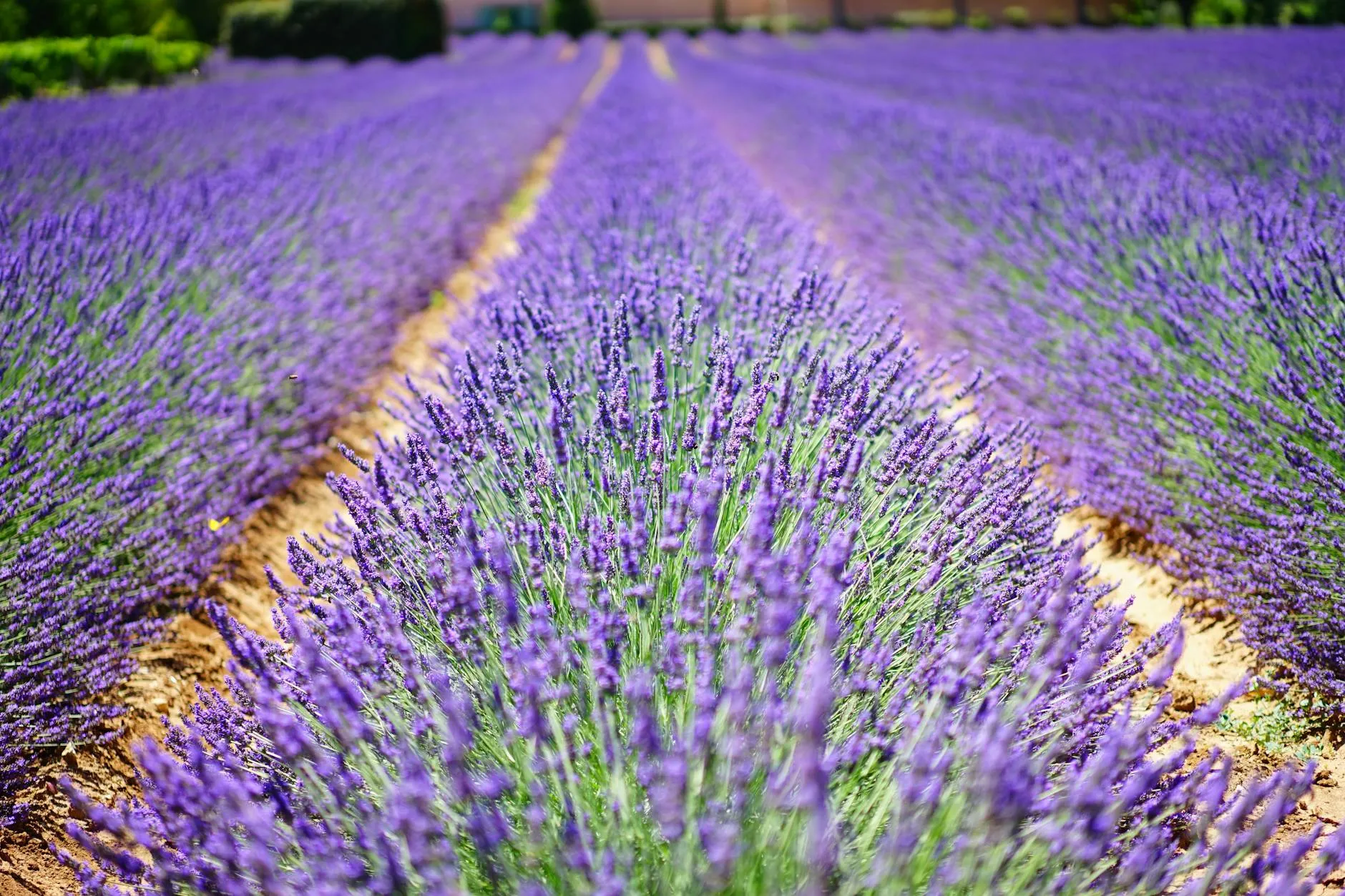
Coustellet isn’t the Luberon’s most photogenic village — no cobbled lanes, no perched castle — but it’s a living crossroads, a place of passage and meeting. Every Sunday morning, the farmers’ market transforms the center into a small terroir celebration: goat cheese stalls, pyramids of heirloom tomatoes, fresh lavender bouquets, conversations in Provençal, children’s laughter. And right next door, the Lavender Museum immerses you in the history of the blue gold that made the region famous.
From our apartments in Avignon, Coustellet is 30 minutes by car via the D900. It’s the perfect Sunday morning excursion: market until 11 AM, museum visit, then drive up to Gordes or lunch at a local farm-inn. You’re in the heart of Luberon, between lavender fields and perched villages.
Sunday farmers’ market: authenticity first
Coustellet market stands out for its resolutely agricultural character. Here, no resellers: only local producers selling what they grow, raise, or transform. You buy directly from the cheesemaker who milks his goats that same morning, the beekeeper who harvests his honey in the Sault plateau lavender, the market gardener who picks his vegetables at dawn.
What you’ll find at the market
Goat cheeses: banons wrapped in chestnut leaves, ash-coated logs, aged tommes, fresh herb cheeses. Producers let you taste, explain their aging process, share their know-how. Prices are fair, quality impeccable.
Honey and hive products: lavender honey (the classic), wildflower honey, chestnut honey (more robust), propolis, pollen, homemade gingerbread. Some beekeepers also sell dried lavender sachets, honey soaps, royal jelly candies.
Vegetables and fruit: heirloom tomatoes (beefsteak, Crimean black, green zebra), round Nice zucchini, purple eggplants, Cavaillon melons (in season), Vaucluse mountain cherries (May-June), apricots (July), muscat grapes (September). Everything is seasonal, often organic, always flavorful.
Bread and pastries: wood-fired sourdough bread, olive or anchovy fougasses, Provençal navettes, almond croquants. Some bakers offer heritage flours (small spelt, Apt miller’s wheat).
Olives and tapenades: crushed olives from the Baux Valley, black or green tapenades, AOP Provence olive oils, anchoïade, herbed olive pâtés. You can taste before buying — producers are generous.
Charcuterie and meats: dry sausages, wild boar terrines, country pâtés, free-range chickens, Luberon lamb. Some breeders also sell fresh eggs, artisanal foie gras (in season), confits.
Flowers and plants: fresh lavender bouquets (June-July), sunflowers (July-August), aromatic plants (thyme, rosemary, savory, sage), heirloom tomato plants (April-May). Local horticulturists advise on pot or ground cultivation.
Market atmosphere
Sunday morning, Coustellet wakes slowly. Producers set up their stalls from 7:30 AM, first customers arrive around 8 AM — often regulars coming for their bread, cheese, weekly vegetables. Around 9-9:30 AM, the crowd builds: families with kids, traveling couples, local retirees, cyclists taking a break.
The atmosphere is friendly, relaxed. People take time to chat, taste, ask for a recipe. Producers know their customers, remember their preferences. Some speak Provençal among themselves — a language still resonating in these rural markets. Kids run between stalls, dogs wait patiently near baskets, cicadas sing in the plane trees.
Around 11-11:30 AM, the market begins to empty. Producers pack up, last customers negotiate end-of-series deals. By noon, everything’s cleared — Coustellet returns to its quiet crossroads-village rhythm, and you can head to Gordes or a farm-inn for lunch.
Lavender Museum: diving into blue gold
Steps from the market, the Lavender Museum (Musée de la Lavande du Luberon, to be precise) is an essential stop if you want to understand what you see in the Sault plateau fields or around Sénanque Abbey. Created by a family of producer-distillers, this museum tells the story of lavender in Provence, from wild harvesting to intensive cultivation, from artisanal distillation to modern essential oils.
Museum visit
The visit is self-guided or guided (guided tours at fixed times in high season, included in the ticket). You walk through several themed rooms:
Lavender history: how this wild mountain plant became Provence’s emblem. Early harvests by shepherds, 19th-century lavender markets, the rise of Grasse perfumery, post-war mechanization.
True lavender vs. lavandin: the great confusion! True lavender (Lavandula angustifolia) grows above 2,600 feet elevation, produces a fine, expensive essential oil. Lavandin (hybrid) grows lower, produces more, but the oil is less refined. The museum explains botanical, olfactory, and commercial differences — essential for understanding what you’re being sold.
Distillation: the still room is the visit’s highlight. You discover antique copper stills, some dating from the 19th century, beautifully preserved. Panels and videos explain the steam distillation process: how essential oil is extracted from flowers, how many pounds of lavender are needed for one liter of oil (around 290 lbs!), different oil qualities.
Lavender uses: cosmetics, perfumes, soaps, but also medicinal uses (antiseptic, calming, healing), culinary (honey, cookies, ice cream), and household (moth sachets, linen waters). The museum displays antique objects, retro advertisements, vintage perfume bottles.
Lavender garden: outside, a garden presents different lavender and lavandin varieties, with explanatory panels. In June-July, everything blooms — the scent is intoxicating. You can touch the spikes, compare blue shades, watch bees at work.
Museum shop
The visit ends (of course) in the shop, but it’s quality. You’ll find true lavender essential oils (AOP Haute-Provence), artisanal soaps, dried lavender sachets, floral waters, creams, lavender honeys. Prices are reasonable, products authentic, and staff advises without pushing sales. If you’re looking for meaningful Provence souvenirs, this is the place.
Practical info: Open daily except January (annual closure). High season (May-September): 9 AM-7 PM. Off-season: 9 AM-12:30 PM and 2-6 PM. Entry around €7-8, free under 12. Self-guided or guided visit (included). Allow 45 min to 1 hour. Free parking. Wheelchair accessible (ground floor). Website: museedelalavande.com.
Combining market and museum: the Sunday itinerary
Ideal is arriving in Coustellet around 9-9:30 AM. You do the market leisurely, buy picnic supplies (cheese, bread, tomatoes, olives), then visit the museum around 11-11:30 AM (less crowded than mid-morning). Around 12:30-1 PM, you drive up to Gordes (10 minutes) for lunch on a terrace with Luberon views, or head to a local farm-inn (several addresses between Coustellet and Goult).
Afternoon, several options:
-
Gordes and Sénanque: visit Gordes village, then descend to Sénanque Abbey (if open — check ahead) to see blooming lavender fields (mid-June to mid-July). Allow 2-3 hours.
-
Lavender route: if you’re here in July, head to the Sault plateau (45 min drive) to see the big blooming lavender fields. Stop at a distillery for a visit (some are open Sundays). Return via Apt or Roussillon.
-
L’Isle-sur-la-Sorgue: 15 minutes from Coustellet, this little Provençal Venice is lively on Sundays (flea market, antique dealers, waterside terraces). Perfect for a relaxed late afternoon.
-
Bike ride: roads around Coustellet are flat and pleasant. Rent bikes in Cavaillon or Apt, and explore small roads between vineyards and orchards. Several marked bike paths (Calavon by bike, Luberon by bike).
Other Luberon markets
If you’re in the region for several days, here are other Provençal markets in Luberon worth the detour:
- Apt: Saturday morning, one of Vaucluse’s largest markets. Regional products, clothing, flea market. Very local atmosphere.
- L’Isle-sur-la-Sorgue: Sunday morning, market + flea/antiques. Very touristy but charming.
- Gordes: Tuesday morning, small market in the perched village. Magnificent view, but rare parking spots.
- Roussillon: Thursday morning, artisan market at the foot of the ochre cliffs. Small but quality.
- Lourmarin: Friday morning, elegant market in one of France’s most beautiful villages. High-end products.
Each market has its personality. Coustellet stands out for its agricultural, authentic side — less folklore, more substance.
Where to have lunch around Coustellet?
Several good addresses within a 10-15 minute radius:
In Gordes:
- Le Mas Tourteron: gastronomic Provençal cuisine, terrace with view. Lunch menu around €40-50. Reservations essential.
- La Trinquette: friendly bistro, market dishes, reasonable prices (€20-30). Shaded terrace.
In Goult:
- La Bartavelle: village restaurant, simple good cooking, relaxed atmosphere. Around €25-35.
- Café de la Poste: terrace on the square, salads, tartines, sharing boards. Perfect for a light lunch.
Farm-inns:
- Ferme de Gerbaud (between Coustellet and Murs): farm meals, homemade products, reservations required. Around €30-35 single menu. Family atmosphere.
- Auberge de l’Aiguebrun (toward Bonnieux): regional cuisine, country setting, gentle prices. Around €25-30.
If you shopped at the market, picnic! Several nice spots: Calavon riverbanks (small river), picnic areas on the Gordes road, or lavender fields (staying on paths, not trampling crops).
Coustellet outside of Sunday
During the week, Coustellet is quiet — a crossroads village without great architectural charm, but with some practical shops (supermarket, bakery, gas station). The Lavender Museum stays open daily (except January), and it’s often nicer to visit on weekdays: fewer people, more time to chat with staff, more intimate guided tours.
If you’re staying in Avignon and exploring Luberon over several days, Coustellet is a good starting point or stopover: central, well-served (D900), easy parking. You can take a coffee break, buy fresh bread, fill the tank, before heading to Gordes, Roussillon, or the Sault plateau.
Practical info: access, hours, budget
Access from Avignon:
- By car: 30 min via D900 (direction Apt). Free parking around market and museum.
- By bus: TransVaucluse line 15.1 (Avignon-Apt), Coustellet stop. About 45 min, several departures daily on weekdays, reduced on weekends. Check schedules on TransVaucluse site.
- By bike: around 22 miles from Avignon via the Calavon bike route (developed bike path). Allow 2.5-3 hours of relaxed pedaling. Bike rentals in Avignon or Cavaillon.
Market hours: Sunday 8 AM-1 PM approximately, year-round.
Museum hours: Daily except January. High season (May-September): 9 AM-7 PM. Off-season: 9 AM-12:30 PM and 2-6 PM. Check museedelalavande.com.
Budget:
- Market: varies by purchases. Allow €20-30 for a gourmet basket (cheese, bread, vegetables, honey).
- Museum: around €7-8 per adult, free under 12.
- Lunch: €15-50 depending on restaurant type.
- Total day (market + museum + lunch): around €50-80 per person.
How much time to plan: 2 hours for market + museum. Half-day if you add lunch. Full day if you combine with Gordes, Sénanque, or the lavender route.
Why we love Coustellet from Avignon
From our apartments in the Quartier des Teinturiers, Coustellet is our Sunday morning recommendation for travelers wanting to get off the beaten path without going too far. The market is authentic, without folklore, and the Lavender Museum is educational without being boring. You really learn something, you leave with good products, and you’re in the heart of Luberon in 30 minutes.
It’s also a good test to know if you like the “deep” Luberon: if you enjoy Coustellet, head to Apt, Saignon, Buoux — the lesser-known villages where Provence is lived daily, far from postcards. If you prefer “postcard” Luberon, stick to the Gordes-Roussillon-Lourmarin axis. Both Luberons coexist, and that’s what makes this region so rich.
So, next Sunday, early wake-up, direction Coustellet. Basket under your arm, nose in the lavender, and back to Avignon with fragrant memories and goat cheeses that’ll make people jealous.
About this article
What days does the Coustellet market happen?
Coustellet's farmers' market takes place every Sunday morning, from around 8 AM to 1 PM, year-round. It's one of the few Sunday markets in the Luberon, making it a popular meeting point for locals and travelers. In high season (June-September), arrive early for the best selection and to avoid crowds.
What can you find at Coustellet market?
Coustellet market focuses on local producers: Luberon goat cheeses, lavender honey, organic vegetables, seasonal fruit, olives and tapenades, sourdough bread, artisanal charcuterie, homemade jams. You'll also find cut flowers, aromatic plants, and sometimes artisans (soaps, pottery). The atmosphere is friendly, prices fair, and you interact directly with producers.
Is the Coustellet Lavender Museum worth visiting?
Yes, it's the reference museum for lavender in Provence. You'll discover the history of cultivation, differences between true lavender and lavandin, distillation techniques, and a collection of antique stills. The visit lasts about 45 minutes to 1 hour. Well-stocked shop with essential oils, soaps, lavender sachets. Ideal for understanding what you see in the Luberon fields.
Can you combine Coustellet market and a Gordes visit?
Absolutely, it's even the classic Sunday morning itinerary. Coustellet market until 11-11:30 AM, then drive up to Gordes (10 minutes) for lunch on a terrace with Luberon views. In the afternoon, visit Gordes village, Sénanque Abbey (if open), or surrounding lavender fields. Plan a full day to enjoy at your leisure.
Is there parking at Coustellet for the market?
Yes, several free parking areas are available around the market, particularly along the D900 and near the commercial zone. In high season, Sunday mornings can get busy — arrive before 9:30 AM to find a spot easily. The village is small, everything is walkable once you're parked.
Is the Lavender Museum open year-round?
The museum is open daily except in January (annual closure). In high season (May-September), extended hours from 9 AM to 7 PM. Off-season (February-April, October-December), reduced hours generally 9 AM-12:30 PM and 2-6 PM. Check exact hours on their website before coming, especially in winter. Entry around €7-8, free for children under 12.