Luberon Goat Cheese: Where to Find Local Producers and Markets
Fresh chèvre, ash-coated rounds, and aged tommes are part of the Luberon's everyday food culture. Here is how to find local producers, shop thoughtfully, and build a simple Provençal cheese tasting.
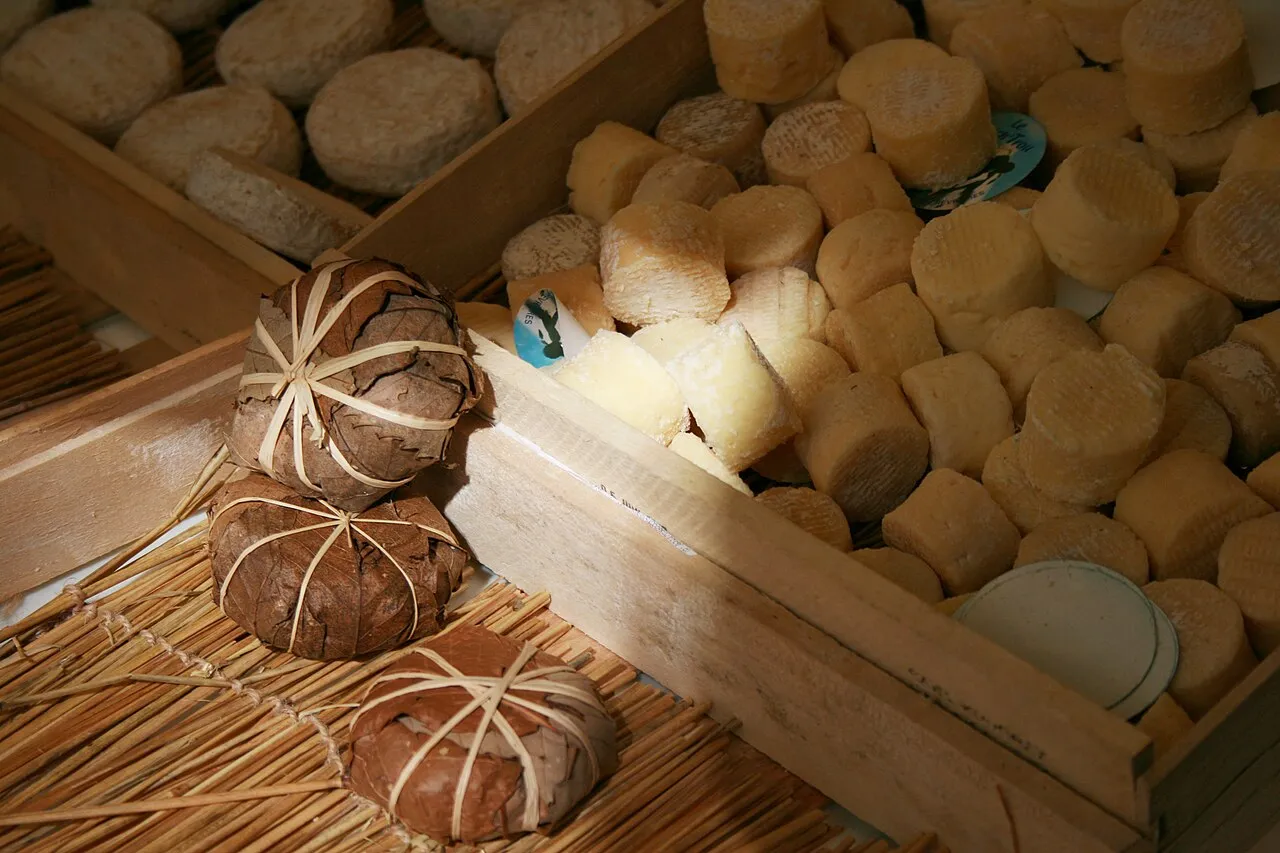
In the Luberon, goat cheese is never just a snack between sightseeing stops. It reflects the season, the landscape, the goats’ grazing, and the patient work of the person who made and aged it. Tasting it can turn a scenic drive into a much more personal day in Provence.
Why Luberon goat cheese tastes so varied
The Luberon is not one single landscape. Hills, dry plateaus, orchards, scrubland, valleys, and stone villages sit close together, and that variety shapes local food culture. Goat cheeses found at markets or farm shops can differ dramatically from one producer to the next, and also from one month to another.
Fresh chèvre is usually the first style travelers notice: small, white, mild, and creamy, with a light tang. As a cheese ages, its texture firms up, its rind develops, and its flavor becomes more pronounced. You may see ash-coated rounds, herb-covered cheeses, soft aged pieces, or firmer tommes. There is no single correct choice; the pleasure is in finding the style that suits your taste.
From Avignon, a trip toward Apt and the Luberon can combine food, landscapes, and hilltop villages without needing an overly ambitious route. Our guide to Provençal markets around Avignon is a useful starting point for checking market days and building an itinerary with enough breathing room.
Where to look for local cheese
Markets: the easiest place to compare
For visitors, a market is usually the most accessible way to meet several local producers and specialist sellers in one morning. Around Apt, market stalls make it easy to compare different levels of aging, ask questions, and buy small amounts rather than committing to a large selection immediately. They are also perfect for picking up bread, fruit, olives, and vegetables for a simple lunch.
Go in the morning if you can, before the hottest part of the day and before some products sell out. Read labels, of course, but do not be afraid to talk to the seller. Ask how long the cheese has been aged, whether the milk is raw or pasteurized, how it should be stored, and when it is best eaten. Those questions often lead to much better choices than simply buying the prettiest cheese on the table.
You do not need a huge board on your first stop. Two or three different pieces are easier to taste and easier to carry. If you are traveling by car in summer, bring a small insulated bag and avoid buying more fresh cheese than you can keep cool.
Farm sales: plan before you drive out
Some Luberon goat farms sell directly to visitors, and a few may offer a chance to learn more about their work. It can be a wonderful experience, but it should be approached with respect for the farm’s schedule. A goat farm is not a shop open all day: milking, animal care, cheese-making, deliveries, and seasonal work determine the rhythm.
Before setting out, check the farm’s current published information and contact them if a number or booking method is provided. Never assume a visit is possible without notice. During kidding season or other busy periods, visitor access may be restricted, and that is entirely understandable.
When farm sales are open, ask what was made recently, what is already well aged, and what will travel well. Producers know their own cheeses best. They can point you toward a fresh cheese for dinner that night or a drier piece that will make it home comfortably.
Producer shops and good local delicatessens
Producer shops and carefully selected local food stores are useful when your schedule does not line up with market days. They can bring together products from several nearby farms and often make it easier to get advice than a large supermarket does. Ask for the exact origin of the cheese rather than stopping at a vague label such as “regional.”
A cheese made in Vaucluse, one selected by a local affineur, and one merely inspired by Provence are not the same thing. All can be enjoyable, but knowing what you are buying makes the tasting more meaningful.
Four styles worth tasting
Fresh chèvre
Fresh goat cheese is ideal for a summer lunch. Its soft texture and clean dairy flavor work beautifully with tomatoes, olive oil, country bread, or fresh herbs. It is also lovely on warm toast, but it needs very little added to it.
Choose it if you want something mild and ready to eat quickly. Ask when it was made and how it should be stored. In warm weather, carry it in an insulated bag and refrigerate it as soon as you return.
Lightly aged goat cheese
After a period of aging, the cheese develops a more defined rind and a denser center. This is often the easiest style for a shared tasting because it still has freshness but offers more complexity. It is a good choice if one person loves goat cheese and the other is still deciding.
Let it sit out briefly before eating. Very cold cheese hides some of its aroma. Paired with a local dry white wine, or simply with sparkling water and good bread, it makes an easy, memorable end to a day out.
Ash-coated or herb-covered cheeses
Ash and herbs are not only visual details. They affect texture, aging, and the way flavors are perceived. These cheeses can be very approachable, but recipes vary greatly, so taste them on their own before pairing them with honey or jam.
The simplest advice is not to overload the plate. Good bread, a few walnuts, and seasonal fruit are enough. The goal is to let the cheese lead the meal rather than burying it under sweet additions.
Goat tomme
A goat tomme is often easier to carry, share, and bring home. It is generally firmer and drier, sometimes with nutty notes and a more rustic texture. It is an excellent option if you enjoy thin slices for a picnic or want a small reminder of the Luberon after your trip.
Ask which part of the tomme to choose and how long it will keep. The answer depends on its age, size, and the weather, particularly during hot summer weeks.
Build a tasting without overcomplicating it
A good cheese board does not need to be huge. For two to four people, choose one fresh chèvre, one aged cheese, one dry or ash-coated option, and perhaps a small tomme. Add quality bread, apricots or figs when they are in season, grapes, and a few walnuts.
Honey can be excellent, but use it lightly. Serving a small spoonful on the side lets everyone decide. The same goes for jam: it can support a stronger cheese, but it should not turn every bite into dessert.
For drinks, keep things local and simple. A dry white wine from the region, chilled but not ice-cold, often pairs nicely with goat cheese. If you are not drinking alcohol, sparkling water, lightly sweetened iced tea, or artisanal grape juice can all work well. Personal taste matters more than strict pairing rules.
Turn the cheese stop into a real Provence day
Goat cheese is especially enjoyable after a visit to Gordes. The hilltop village draws many visitors, but the roads around it, market stops, and food breaks can make the experience feel more personal. Start early, avoid cramming everything into the hottest hours, and keep some time free for an unexpected detour.
If you are staying in Avignon, a Luberon day trip can end very simply: a few well-chosen purchases, a light dinner, and the pleasure of talking about what you found. From the Teinturiers neighborhood, Lavande Évasion, Lavande Dorée, and Cinéma Provence provide a convenient intra-muros starting point before or after your drive.
Season matters. Spring may bring more fresh cheeses to the stalls. Summer offers abundance, but makes storage more important. In fall, flavors pair naturally with walnuts, grapes, and slower meals. In winter, markets are calmer and aged tommes often become the stars.
To plan your food-focused escape, choose one market or farm stop, check opening times, bring an insulated bag, and leave room in your day. The Luberon tastes best when you are not trying to see everything: one good conversation, a few thoughtful cheeses, and an unhurried drive can be more than enough. Plan your stay at your own pace through direct booking.
About this article
Where can I buy goat cheese in the Luberon?
Try markets around Apt, local producer shops, and farms that sell directly to visitors. You can usually find fresh chèvre, ash-coated cheeses, aged rounds, and goat tommes, but farm-sale hours often vary by season.
What is the best season for Luberon goat cheese?
Spring and summer often bring a wide choice of fresh goat cheeses during the milking season. Aged cheeses and tommes can be enjoyable throughout the year, depending on each producer's work and aging schedule.
How do I make a Provençal goat cheese board?
Choose three or four styles: fresh, lightly aged, dry or ash-coated, and perhaps a tomme. Add good bread, seasonal fruit, walnuts, and a little honey on the side rather than overwhelming the cheese.
Can visitors tour goat farms in the Luberon?
Some farms welcome visitors or offer direct sales, but access depends on farming work, season, and hygiene rules. Always check current information or contact the farm before arriving.