Lavender in savory cooking: 5 unexpected recipes from Luberon
We know lavender from sachets and crème brûlée, but in Provence, it also steps into savory dishes. Roast chicken with lavender honey, asparagus risotto, braised lamb, marinated goat cheese: here are five unexpected recipes that showcase the aromatic finesse of this iconic Luberon flower.
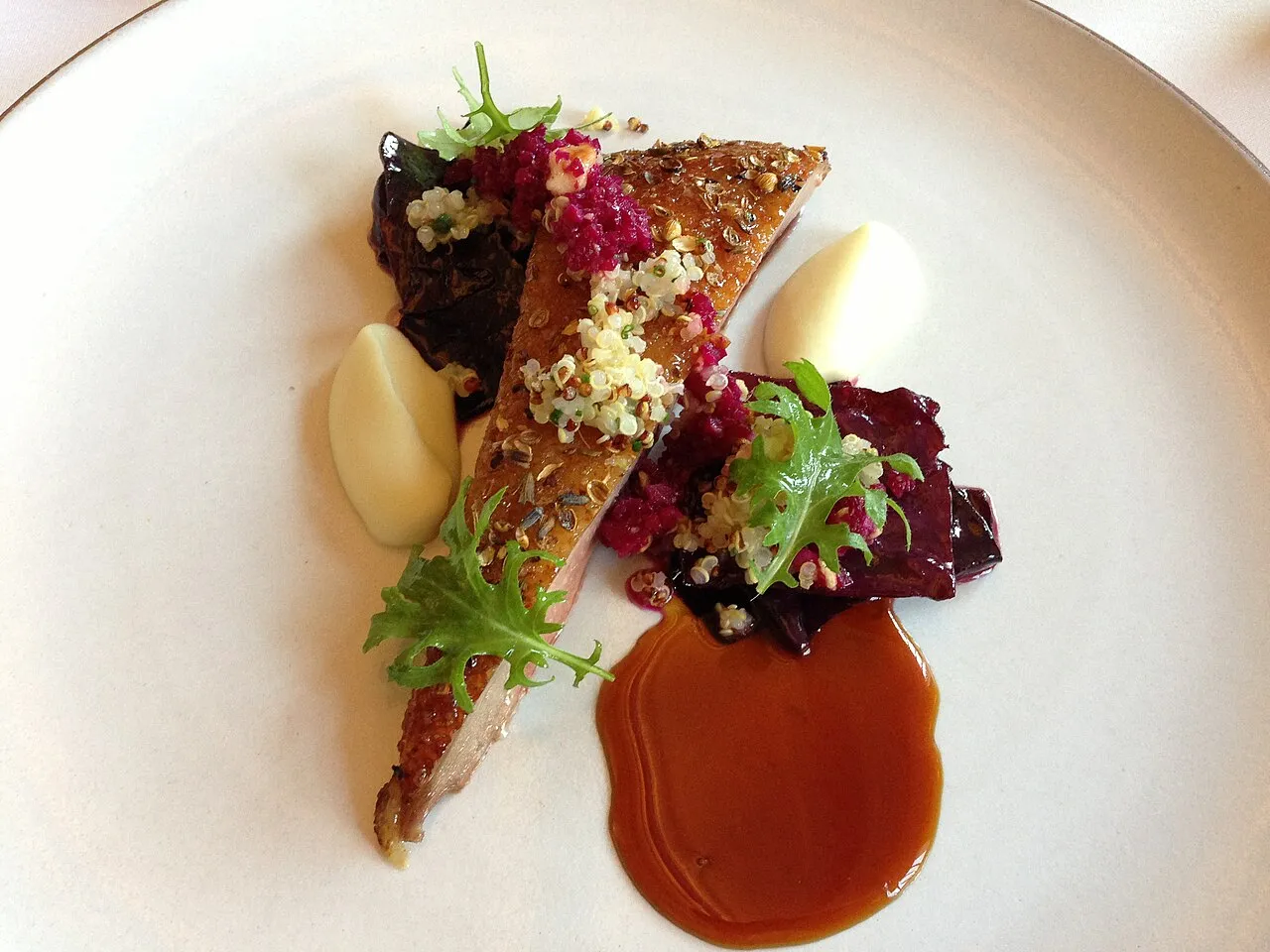
Cooking with lavender is first a matter of dosage and curiosity. Here in the Luberon, it doesn’t just live in scented sachets or artisan soaps: it also steps into the pot, discreetly, with elegance.
Why lavender works in savory cooking
True lavender (Lavandula angustifolia) has a complex aromatic profile: floral, slightly minty, with a peppery and resinous edge. It shares odor molecules with rosemary, thyme, and even bergamot. In very small amounts, it doesn’t overpower the dish: it opens it up, gives it unexpected depth.
The secret? Never use too much. One teaspoon of dried flowers for four people is plenty. And always infuse rather than sprinkle: in cream, broth, marinade, melted honey. The aroma diffuses gently, without bitterness.
Warning: use only food-grade, untreated lavender, bought from a distillery or Provençal market. Never ornamental lavender or lavandin (the hybrid used in perfumery, far too camphor-heavy).
1. Roast chicken with lavender honey and lemon
This is the perfect gateway dish, the one that converts skeptics. A free-range chicken brushed with a mix of lavender honey, lemon juice, olive oil, crushed garlic, and a pinch of dried lavender flowers. Roast it at 350°F for about 1h15, basting regularly with its juices.
The honey caramelizes gently, the lavender perfumes the skin without ever dominating, and the lemon brings the freshness that balances it all. Serve it with baby potatoes roasted on the same tray and an arugula salad. It’s a Sunday in Provence on a plate.
Lavender honey is available everywhere in Vaucluse, but the best comes from the Sault plateau. Expect to pay around €8-12 for an 8.8 oz jar from a local beekeeper.
2. Green asparagus and lavender flower risotto
A delicate spring dish, almost vegetarian (except for the parmesan). Sauté a minced onion in butter and olive oil, add Carnaroli rice, toast it, then deglaze with dry white wine. Next, add vegetable broth ladle by ladle, stirring.
Midway through cooking, add blanched asparagus pieces, and in the last ladle of broth, infuse a teaspoon of lavender flowers for 2 minutes, then strain and pour this scented broth into the rice. Finish with grated parmesan, a turn of the pepper mill, and a few fresh lavender flowers as garnish.
The result? A creamy, fragrant risotto, never cloying. The lavender blends into the whole without calling attention to itself, but if you remove it, something’s missing.
3. Braised lamb with Provençal herbs and lavender
Lamb and lavender are a natural pairing here. Flocks graze among lavender fields in July, and this combination naturally finds its way onto plates.
For a leg or shoulder of lamb, prepare a marinade the night before: olive oil, whole garlic cloves in their skins, rosemary, thyme, a teaspoon of dried lavender, salt, pepper. Massage the meat well, cover, and refrigerate.
The next day, cook at low temperature (285°F) for 4-5 hours, covered. The meat becomes melt-in-your-mouth tender, almost confited. At the end, you can raise the temperature to 400°F for 15 minutes to brown the surface.
Serve with white beans in lamb jus and a parsley-garlic topping. It’s the kind of dish you share around a big table on a late-summer Sunday when the cicadas quiet down.
4. Fresh goat cheese marinated in lavender oil
Not really a cooking recipe, more a 10-minute prep that impresses every time. Take small fresh goat cheeses (young Banon crottins or log-style chèvre), place them in a glass jar, and cover with olive oil infused with lavender flowers, thyme, rosemary, a few peppercorns, and a garlic clove.
Marinate for at least 48 hours in the fridge. The longer you wait, the more the flavors develop. After a week, the cheese has absorbed all the scents of Provence. Serve it on toasted bread with a green salad and cherry tomatoes.
This jar also makes an elegant homemade gift if you’re leaving vacation with the urge to take a bit of Provence home.
5. Grilled vegetables with lavender honey and balsamic
Zucchini, eggplant, red and yellow bell peppers, tomato clusters: cut them into large pieces and arrange in a baking dish. Drizzle with a mix of melted lavender honey, balsamic vinegar, olive oil, chopped garlic, salt, pepper, and half a teaspoon of lavender flowers.
Bake at 400°F for 35-40 minutes, stirring halfway. The vegetables caramelize, soak up the sweet-tangy flavors, and the lavender brings a discreet floral note that ties everything together.
It’s a perfect side for grilled meats, but also a complete vegetarian dish if you serve it with bulgur, quinoa, or country bread lightly rubbed with garlic.
Where to find the right ingredients in Avignon and the Luberon
Provençal markets are your best allies. The Halles market in Avignon (every morning except Monday) offers food-grade lavender, lavender honey, local goat cheeses, and fresh herbs.
The Tuesday morning market in Gordes, Wednesday in Sault, Thursday and Sunday in L’Isle-sur-la-Sorgue: all have their local producer stalls. Don’t hesitate to ask advice, taste, chat. Producers know their products and love sharing tips.
If you pass through the Sault plateau in summer, stop at a distillery: Aroma’Plantes, Distillerie du Vallon des Lavandes, the Lavender Museum in Coustellet. You’ll find edible lavender, honey, essential oil, and often recipes to take home.
A few mistakes to avoid
Too much lavender kills the lavender. If you use too much, the dish becomes soapy, bitter, inedible. Always start with less than you think necessary.
Don’t cook lavender over high heat for too long. It releases bitter compounds. Favor slow infusions, or add it at the very end of cooking.
Don’t mix lavender with other highly fragrant edible flowers (rose, violet, nasturtium) in the same dish. Too many floral notes at once is cacophony.
Always check the origin of your lavender. If it comes from an ornamental garden treated with pesticides, it’s not edible. Buy it from local producers or organic stores with a ‘food-grade’ label.
Want to extend the experience?
If these recipes make you want to discover lavender in its natural habitat, read our guide to lavender fields around Sénanque Abbey. And if you’re staying in Avignon, Damien and Lubna can point you to the best markets, distilleries accessible by e-bike, and even lend you a basket to carry your finds. Book your stay at Lavande Évasion, Lavande Dorée, or Cinéma Provence and get ready to cook differently.
About this article
Is lavender really edible in savory dishes?
Yes, but only true lavender (Lavandula angustifolia), also called English lavender or fine lavender. It grows naturally on the Sault plateau and in the Luberon. Never use ornamental lavender, lavandin (a hybrid for perfumery), or chemically treated lavender. In cooking, use dried flowers in very small amounts: 1-2 teaspoons are enough for 4 people. Its aroma is floral, slightly peppery, and minty.
Where can I buy food-grade lavender in Provence?
Almost all Provençal markets carry it, especially Les Halles market in Avignon, the Tuesday morning market in Gordes, or the Wednesday market in Sault. Look for packages labeled 'culinary lavender' or 'fine lavender.' Distilleries on the Sault plateau (Aroma'Plantes, Distillerie du Vallon) also sell food-grade lavender and very high-quality lavender honey. Expect to pay around €4-6 for 30g.
What ingredients pair best with lavender?
Lavender pairs beautifully with lamb (a Provençal classic), roast chicken, duck, rabbit, and all fresh or aged goat cheeses like Banon. It also elevates grilled vegetables (zucchini, eggplant, tomatoes), asparagus, mushrooms, and honey-based dishes. Among herbs, it works well with thyme, rosemary, and garlic. Avoid combining it with overpowering flavors that would overshadow it.
How do I dose lavender so the dish doesn't turn bitter?
The golden rule: always start with less. One teaspoon of dried flowers for 4 people is a good starting point. You can always add more, but you can't take it out. Infuse it in a liquid (cream, broth, oil) rather than sprinkling it directly on meat or vegetables: this gently diffuses the aroma. Taste regularly while cooking. If the flavor becomes too strong, add a bit of honey or lemon to balance it.
Can I use fresh lavender instead of dried?
Yes, but be careful: fresh lavender has a much stronger aroma and can turn bitter if cooked too long. Use it at the very end of cooking, like a fresh herb. You'll need about double the volume compared to dried (2 teaspoons fresh = 1 teaspoon dried). Dried lavender is more reliable for beginners and keeps for months in an airtight jar away from light.