Ansouis: A Marquis’ Castle and a Proper Luberon Village Day Out
Ansouis is one of those Luberon villages that feels quietly impressive rather than showy. Come for the marquis’ château, linger in the old lanes, then turn the visit into a slow Provençal day with market stops, village views and a good lunch nearby.
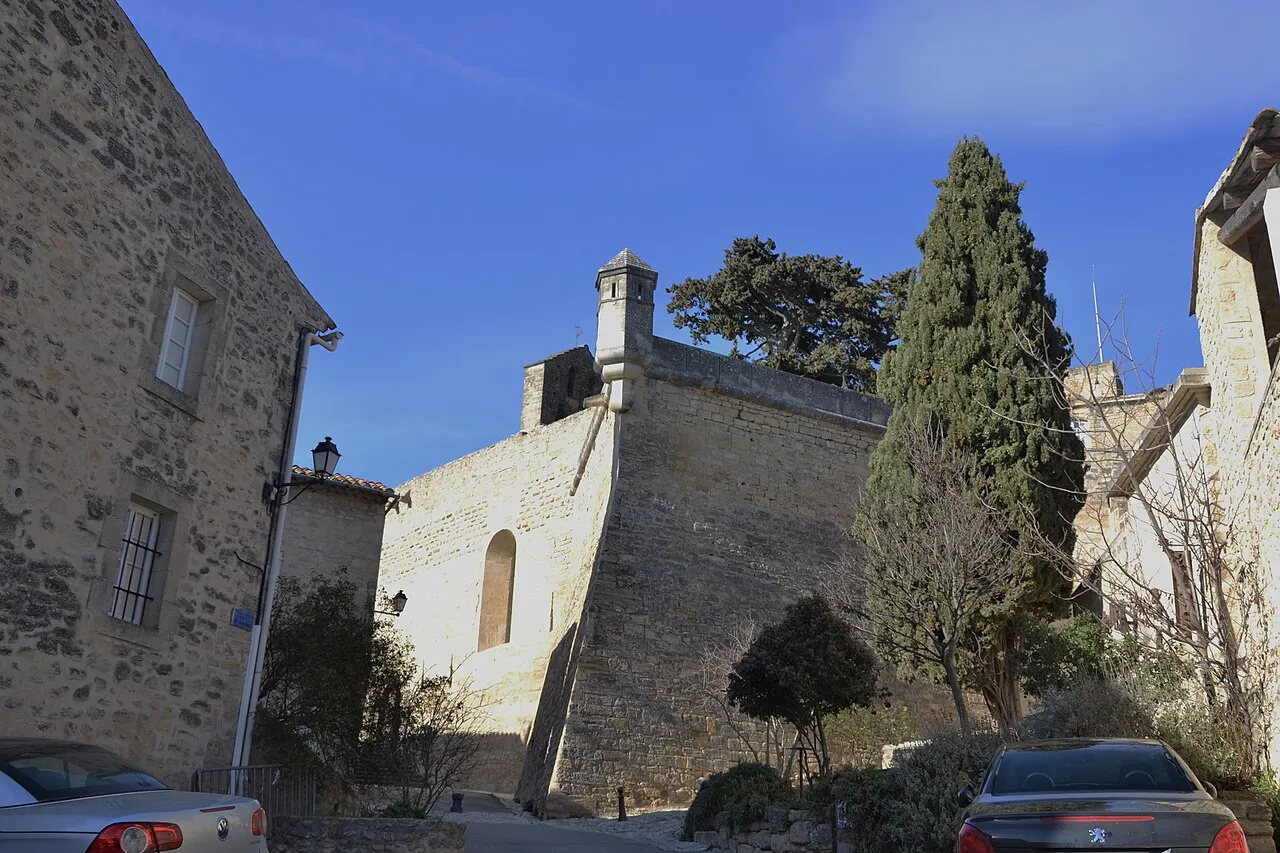
You can spend a whole Provençal holiday chasing famous names: Gordes, Roussillon, Lourmarin, Saint-Rémy. They are good names for a reason. But there is another kind of village day that often stays with you longer: one where the streets are quiet enough to hear your own footsteps, the old stone has not been arranged for your camera, and the main landmark still feels woven into local life.
Ansouis is that sort of place. Perched in the south Luberon, it is compact, historic and confidently understated. Its château dominates the village without turning the whole visit into a theme park. Come here if you want a proper wander, not a frantic checklist. The reward is in the details: a bend in a lane, a weathered doorway, a view opening between rooftops, a patch of shade that makes you slow down.
If you are staying in Avignon, Ansouis is best approached as a day with room to breathe. It is not about arriving with a dozen pins saved on your map. It is about choosing a direction, taking your time through the old centre and letting lunch be part of the plan rather than an interruption.
Start with the château, but do not rush it
The Château d’Ansouis is the obvious place to begin because it tells you how to read the village. Ansouis developed around a fortified high point, and the château’s presence gives the streets below their shape and mood. Look up as you walk: walls, defensive-looking corners and the changing levels of the village are part of the story, even when there is no information board spelling it out.
Before you travel, check current opening arrangements if you hope to visit the château itself. Historic properties can have seasonal hours, guided-visit conditions or occasional closures. It is a small bit of planning that prevents the classic holiday annoyance of reaching a place just after the gate has shut.
That said, do not make the mistake of thinking the château is the only reason to come. Ansouis works because the village around it still matters. The lanes are not a corridor leading mechanically from car park to ticket desk. Give yourself permission to take the wrong turn. In a compact village, “wrong” usually means another attractive corner, a different view or a quiet route back towards the centre.
Try an easy loop. Begin close to the château, drift downhill through the older streets, then gradually make your way back up. You will notice how quickly the scenery changes at walking speed. One moment you are beside solid stone walls; a few steps later, the village opens onto the wider Luberon landscape. It is exactly why a short visit can feel more satisfying than a big attraction with a fixed route.
For another perspective on the region’s more dramatic hilltop scenery, see our guide to Gordes. Gordes is far more famous and visually grand, while Ansouis is better when you want something quieter and less performative.
What gives Ansouis its character
It is tempting to call every old Provençal village “timeless”, but that word can flatten the experience. Ansouis is not frozen in time. It is a lived-in place with a long historical identity, and its appeal comes from the way its architecture, setting and pace sit together.
The château is tied to the marquisal history of Ansouis, which is why you will often hear the village described through its marquis and castle. Yet the pleasure of visiting is not a history lesson delivered all at once. It is more physical than that. You feel the village’s past in its elevated position, its close-set buildings and the way a street can suddenly narrow or turn.
Keep an eye out for the small features that do not need a label: old openings in walls, steps worn by generations of use, shuttered façades and the contrast between sunlit stone and deep shade. Photographs are easy here, but the best ones usually come after you have stopped trying to collect them. Put the phone away for ten minutes and walk without deciding what you are looking for.
Ansouis also makes a useful antidote to the pressure of “must-see Provence”. A holiday does not improve because every hour is maximised. Some of the best memories come from having time to sit down, order something cold, watch village life pass and decide what to do next without checking a timetable.
That slower rhythm is especially welcome if Avignon has been your base. After the Palais des Papes, busy squares and festival-season energy, a smaller Luberon village can reset the whole trip. If you are building a balanced Avignon stay, our three-day family itinerary is useful for mixing major sights with more relaxed moments.
Make it a south Luberon day, not a race
Ansouis is compact enough that it should not need a rigid itinerary. A simple structure works better: arrive before the warmest part of the day if possible, spend time around the château and old streets, then leave space for lunch and an unplanned stop afterwards.
The important bit is restraint. The Luberon looks close together on a map, which can make travellers cram too much into one day. In reality, every extra village means parking, walking, choosing where to eat and losing the easy feeling that made you come in the first place. Two places enjoyed properly are better than five places viewed through a windscreen.
If you are driving, treat the road through the area as part of the experience rather than a transfer to get through as quickly as possible. Pull over only where it is safe and permitted, and do not expect every pretty view to have a convenient stopping point. Roads in historic villages can be narrow, parking can be limited and the nicest centre streets are often best discovered on foot.
Lunch is an excellent natural pause. Rather than booking your day down to the minute, keep some flexibility around it. A good table, a shaded terrace or simply the chance to sit for longer than planned can become the highlight. That is not wasted sightseeing time; it is very much the point of a Luberon outing.
If you have another day for village wandering, L’Isle-sur-la-Sorgue offers a different atmosphere: canals, antique shops and a more animated town centre. Read our guide to L’Isle-sur-la-Sorgue and its antiques before you go. Pairing it with Ansouis across separate days gives you two distinct versions of Provence rather than two similar photo stops.
A few practical habits that make the visit better
Wear shoes that are genuinely comfortable on uneven streets. It sounds obvious, but cobbles, slopes and stone steps are less charming when you are trying to manage them in unsuitable footwear. Bring water in warmer weather, and remember that small villages are not built around the assumption that every visitor needs a shop open at every moment.
For photographs, early and late light will generally be kinder than the bright middle of a summer day. More importantly, respect private homes. The prettiest doorway may be somebody’s front door, and a village remains more pleasant when visitors remember that people live there.
Check practical information close to your visit rather than relying on a blog post written months earlier. Opening times, local events and road arrangements change. This is particularly relevant for château access. A quick check on the day before travel gives you confidence without turning a relaxed trip into an admin project.
Do not judge Ansouis by whether it offers a long list of paid attractions. Its value is that it is coherent. The château, streets and setting all belong to the same small place. A two-hour wander can feel complete because you have understood something of the village rather than merely consumed an attraction.
It is also a good choice for travellers who want Provence beyond the biggest names. There is no prize for visiting the same places as everyone else. Sometimes the best decision is to choose the village that fits your energy that day: quiet if you need quiet, historic if you want history, compact if you do not want a demanding hike.
Return to Avignon with the day still feeling like a holiday
A Luberon visit is even better when you return to a base where you can drop your bags, freshen up and head out for the evening without another long journey. Avignon gives you that contrast: village stone and open landscapes by day, then restaurants, streets and city atmosphere later on.
GP Luberon hosts three apartments in Avignon’s Quartier des Teinturiers: Lavande Évasion, a one-bedroom apartment; Lavande Dorée, a two-bedroom apartment; and Cinéma Provence, a one-bedroom loft with a private cinema setup. They are owner-hosted by Damien and Lubna. You can browse availability and choose the stay that suits your trip through our booking page.
Ansouis will not shout for your attention. That is exactly its strength. Make the château your starting point, let the streets set the pace and resist the urge to turn the day into a sprint. Leave with a few good photographs if you like, but more importantly leave with the rare feeling that you have actually spent time somewhere.
If your Provence plans are still taking shape, book a base in Avignon and keep one day open for the Luberon. Ansouis is a very good reason not to fill every hour in advance.
About this article
Is Ansouis worth visiting?
Yes, especially if you like villages with real history, old stone streets and a calmer atmosphere than the best-known postcard stops. The château and the compact historic centre make it easy to enjoy without planning a full day around queues or attractions.
What is the main thing to see in Ansouis?
The Château d’Ansouis is the village’s defining landmark. Its position above the old centre explains the village’s fortified character, while the surrounding lanes, walls and small architectural details are a big part of the visit.
How long should I allow for Ansouis?
Allow roughly half a day if you want to see the village at an unhurried pace, take photographs and stop for lunch or a drink. It also works well as one stop in a wider south Luberon day, provided you do not overfill the schedule.
Can you visit the Château d’Ansouis?
Visits and opening conditions can vary, so it is sensible to check the château’s current information before travelling. Even if a visit inside is not available at the time, the village and views around the château are still worth the detour.
When is the best time to visit Ansouis?
Spring and early autumn are particularly pleasant for walking around the village. In summer, go earlier in the day or later in the afternoon, keep the plan light and treat the middle of the day as time for a long lunch rather than rushing around.